24 Hour Service - 7 Days a Week

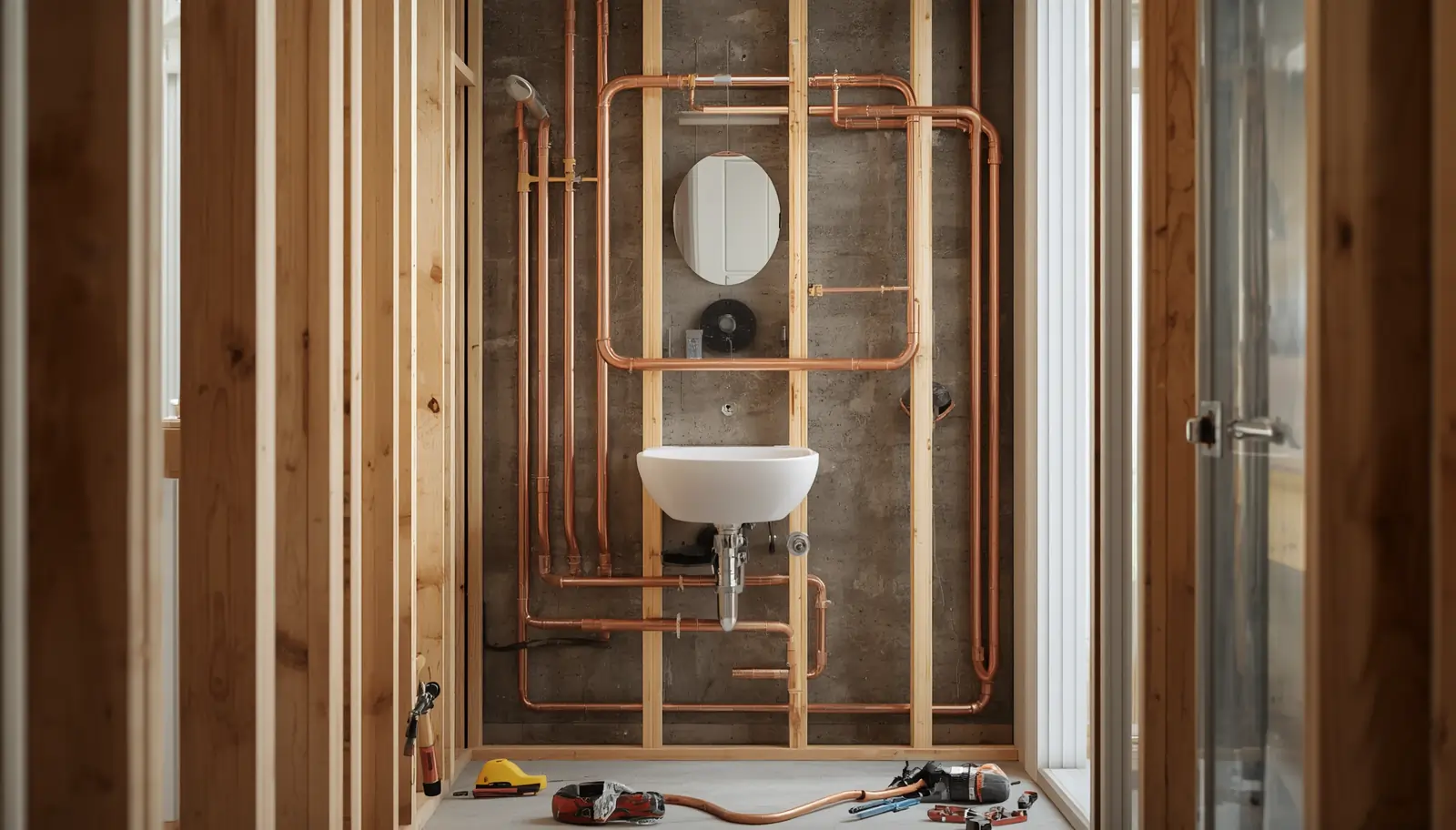
If you’re planning a bathroom remodel in San Diego — whether it’s a full gut-and-rebuild in your Rancho Bernardo master bath or a simpler fixture upgrade in a Scripps Ranch guest bathroom — the permit question comes up every time. And the honest answer is: it depends on exactly what you’re doing. Some bathroom plumbing work requires a permit. Some doesn’t. And getting that wrong in either direction can cost you money, time, and real headaches down the road.
This article will walk you through exactly what the City of San Diego requires, what happens if you skip a required permit, how the permit process actually works, and why working with a licensed plumbing contractor makes the whole thing a lot simpler than most homeowners expect.
For most bathroom remodels that involve actual plumbing work — relocating a drain, moving supply lines, adding a fixture, replacing pipe — yes, you need a permit in San Diego. The City of San Diego requires a permit for the alteration, addition, or replacement of any plumbing system or portion of a plumbing system, with a specific set of exemptions for very minor repairs.
Cosmetic work — painting, replacing a mirror, swapping cabinet hardware, retiling a shower without moving any plumbing — generally does not require a permit. But the moment you touch the pipes, the drains, or the supply lines in any meaningful way, the permit question becomes relevant and you need to know the answer before work starts.
Plumbing permits in the City of San Diego are issued and managed by the Development Services Department (DSD), which operates the city’s permitting portal and oversees inspections. The DSD is the office you or your contractor will be dealing with from application through final inspection.
San Diego follows the California Plumbing Code (CPC), which is based on the Uniform Plumbing Code (UPC) with state-specific amendments. The CPC sets the minimum standards for how plumbing work must be done — pipe sizing, venting requirements, fixture installation, water pressure, drain slope, and so on. The permit process exists to verify that the work being done meets those standards.
It’s worth noting that if your home is in an unincorporated area of San Diego County — communities like Ramona, Spring Valley, El Cajon, Alpine, or Lakeside that fall outside city limits — your permit authority is the County of San Diego Department of Planning & Development Services, not the City DSD. The rules are similar but not identical, and the permitting portal and process are different. If you’re not sure which jurisdiction you’re in, your contractor will know.
The City of San Diego uses a two-tier permit structure for plumbing work. Understanding which type applies to your project determines how complicated the permit process will be.
This is the easier, faster permit — and it covers a defined list of minor plumbing installations and repairs. According to the City of San Diego’s Development Services Department, the Simple No-Plan Permit applies to:
1. Water heater replacements (except tankless water heater conversions)
2. Water or sewer piping repairs
4. Repair or replacement of drains
5. Water softener installations
6. Pressure Reducing Valve (PRV) installations for domestic service
The Simple No-Plan Permit can be applied for online through the City’s permitting portal by homeowners, property owners, or licensed contractors. Once the application is submitted and the fee is paid, the permit is issued — typically within two business days — and an inspection can then be scheduled.
This permit is for non-historically designated properties only. If your home is in one of San Diego’s historic districts — areas like Mission Hills, South Park, Banker’s Hill, or any property on the city’s historic register — even simple work may require the full Plan Permit process.
Any plumbing work that goes beyond the scope of the Simple No-Plan Permit requires a Plan Permit — which involves submitting detailed plans, a plan review process, and a longer timeline before work can begin.
For a bathroom remodel, the Plan Permit is typically required when the project involves:
1. Moving or adding drain lines
2. Relocating supply lines to serve new fixture locations
3. Adding new plumbing fixtures that weren’t previously in the bathroom (a second sink, a freestanding tub, a new shower where none existed)
4. Installing a tankless water heater
5. Any plumbing work on historically or potentially historically designated properties
6. Sewer line replacement or significant alteration
Plumbing plans submitted for the Plan Permit process must be prepared in compliance with the California Business and Professions Code. For most residential bathroom remodels, a licensed C-36 plumbing contractor — like Black Mountain Plumbing, which holds C-36 License #782799 — can work with the plan preparation and permit submission process without requiring a separate engineer stamp, depending on the scope of work.
Permit approval for Plan Permits typically takes two to four weeks, though the City of San Diego has been working to improve turnaround times through expanded online permitting capabilities.
Knowing what’s exempt is just as important as knowing what requires a permit. The City of San Diego’s Municipal Code Section 129.0403 exempts the following plumbing work from permit requirements:
1. Stopping leaks in drains, soil, waste, or vent pipes — but only if no drain pipe, soil, waste, or vent pipe is being replaced with new material as part of the repair.
2. Clearing stoppages or repairing leaks in soil, waste, or vent pipes, valves, fixtures, or replacement of exposed traps in existing plumbing systems serving lavatories, sinks, laundry trays, or similar fixtures.
In practical terms for a bathroom remodel, work that doesn’t require a permit typically includes:
1. Replacing a toilet, faucet, or showerhead with a new model in the same location using the existing supply connection on the service side of the shut-off valve.
2. Swapping out a vanity or cabinet without altering the plumbing.
3. Replacing a mirror, light fixture, towel bar, or other accessory.
4. Painting, retiling, or refinishing surfaces without moving plumbing.
5. Replacing a shower door or curtain rod.
The key principle: if you’re replacing like-for-like in the same location without touching the rough plumbing behind the wall, you’re usually in permit-exempt territory. If you’re moving anything, adding anything, or replacing pipe, you’re likely in permit territory.
When in doubt — and many homeowners are genuinely unsure where their project falls — a quick call to a licensed San Diego plumber can give you a definitive answer before you start demolition.
Homes within San Diego’s Coastal Zone — which runs along the coastline and includes neighborhoods like La Jolla, Pacific Beach, Ocean Beach, Mission Beach, and coastal Solana Beach and Del Mar — are subject to California Coastal Commission oversight in addition to standard city permit requirements. Significant structural changes or additions to coastal properties may require a Coastal Development Permit (CDP) in addition to standard building and plumbing permits. For most interior bathroom plumbing remodels that don’t affect the exterior of the building or change the footprint, a CDP is not required — but if your project includes any exterior changes or additions, it’s worth confirming.
San Diego has a rich inventory of historic homes, particularly in neighborhoods like Mission Hills, South Park, North Park, Golden Hill, Banker’s Hill, and the older parts of University Heights and Normal Heights. Properties that are formally designated as historic resources, or that are located within a Historically Designated District, are subject to additional review requirements. Even minor plumbing work on these properties requires the Plan Permit rather than the Simple No-Plan Permit, and the work must be consistent with the Secretary of the Interior’s Standards for the Treatment of Historic Properties.
If you’re renovating a bathroom in an older home in one of these neighborhoods, make sure your plumbing contractor is aware of the historic designation before pulling permits.
This is where a lot of San Diego homeowners get into trouble — usually when they’re trying to save time or money by skipping the permit process, or when they hire a contractor who suggests working “under the radar.” The consequences of unpermitted plumbing work can be significant, and they tend to compound over time.
1. Fines and stop-work orders: If unpermitted work is discovered during a city inspection — whether triggered by a neighbor complaint, a routine inspection for another purpose, or an inspection during a future remodel — the city can issue a stop-work order, require the unpermitted work to be exposed and inspected, and levy fines. In some cases, the city can require the work to be completely redone.
2. Insurance complications: If your home sustains water damage from a plumbing failure in an area where unpermitted work was done, your homeowner’s insurance company may deny the claim on the grounds that the work was not code-compliant. This is a particularly serious risk for plumbing work, which has a direct relationship with water damage events.
3. Real estate disclosure problems: In California, sellers are required to disclose known unpermitted work to buyers. If you sell your home with unpermitted plumbing work and the buyer’s inspection uncovers it — or worse, if problems emerge after the sale — you can face legal liability. Buyers can and do back out of transactions over unpermitted work, or demand significant price reductions to account for the cost of bringing the work into compliance.
4. Inability to pull future permits: If the city discovers unpermitted work during a future permit application, you may be required to resolve the unpermitted work before new permits can be issued. This can turn a simple future project into a complicated and expensive situation.
5. Safety: Permit requirements exist because plumbing work that isn’t done correctly creates real risks — water damage, mold, sewage backup, compromised water quality, and gas hazards. The inspection process is a check on quality and safety, not just bureaucratic box-ticking. Work that passes inspection is work done to code.
For most San Diego homeowners, the permit process feels intimidating primarily because it’s unfamiliar. When you work with a licensed C-36 plumbing contractor like Black Mountain Plumbing, the permit process is handled for you — and it’s genuinely not complicated for the vast majority of bathroom remodel scopes.
1. Scope assessment: Before any work begins, your Black Mountain Plumbing technician reviews the scope of your bathroom project and determines exactly what permit type is required. For simple fixture replacements, no permit may be needed. For drain relocation or pipe work, they determine whether a No-Plan or Plan Permit applies.
2. Permit application: For work requiring a permit, Black Mountain submits the application through the City of San Diego’s online permitting portal. For Simple No-Plan Permits, this can often be done quickly and the permit issued within days. For Plan Permits, the application includes the scope of work documentation and any required plans.
3. Permit issuance: Once the permit is issued, work can begin. Your licensed contractor has the permit on file and follows the approved scope throughout the project.
4. Inspection: When the work reaches the point requiring inspection — typically after rough plumbing is complete but before walls are closed up — the city inspector comes to verify the work meets code. A licensed contractor who does the work correctly the first time has no issues at this stage.
5. Final inspection and permit closure: Once the work is complete and has passed all required inspections, the permit is closed. You have a documented record of code-compliant plumbing work in your home — which is exactly the paper trail you want.
The whole process adds some time to a project compared to simply starting work without a permit. But it protects you, documents the quality of the work, and ensures your bathroom remodel adds value to your home rather than creating liability.

One thing San Diego homeowners often discover during a bathroom remodel is that the California Plumbing Code includes specific water efficiency requirements that apply when fixtures are being replaced. California’s water conservation standards, reinforced by the San Diego County Water Authority’s regional conservation goals, establish maximum flow rates for plumbing fixtures installed in new construction and remodels.
For bathroom fixture replacements and new installations in San Diego, current California standards require:
1. Toilets: 1.28 gallons per flush (gpf) or less — the WaterSense standard.
2. Showerheads: 1.8 gallons per minute (gpm) or less for residential new construction; 2.0 gpm for replacements in existing homes.
3. Lavatory faucets: 1.2 gpm or less.
4. Kitchen faucets: 1.8 gpm or less.
These aren’t optional suggestions — they’re code requirements. When Black Mountain Plumbing installs or replaces fixtures as part of a permitted bathroom remodel, the fixtures installed must meet these standards. The good news is that modern low-flow fixtures have improved dramatically in performance over older models, and most homeowners can’t tell the difference in daily use.
Here’s a simple way to think through your project before calling a plumber or the city:
1. Replacing a toilet, sink faucet, or showerhead in the same location.
2. Swapping a vanity cabinet without touching supply or drain connections.
3. Retiling walls or floors without moving plumbing.
4. Painting, lighting fixture swaps (no new wiring), mirror replacement.
1. Replacing a water heater (non-tankless).
2. Repairing or replacing drain pipe.
3. Repairing water supply lines.
4. Installing a water softener or PRV.
1. Moving a toilet, sink, or shower to a new location.
2. Adding a fixture that wasn’t there before.
3. Converting to a tankless water heater.
4. Full bathroom gut-and-rebuild with relocated plumbing.
5. Any plumbing work on a historically designated property.
6. Sewer line work.
If you’re not certain where your project falls, the right move is a conversation with a licensed San Diego plumber before you start — not after.
California requires plumbers performing work that requires permits to hold a valid state contractor’s license. In California, plumbing contractors hold a C-36 license issued by the California Contractors State License Board (CSLB). Hiring an unlicensed contractor for permitted plumbing work is not just risky — it means the contractor cannot legally pull the permit, which means either the permit gets pulled in the homeowner’s name (transferring liability to you) or the work proceeds without a permit entirely.
Black Mountain Plumbing holds C-36 (Plumbing Contractor) and HIC (Home Improvement Contractor) licenses under License #782799. When you hire Black Mountain, you’re working with a contractor who can legally pull permits, is accountable to the CSLB, carries appropriate insurance, and has over 30 years of experience navigating San Diego’s permitting process for bathroom and kitchen remodels across every neighborhood in the city’s service area — from Scripps Ranch and Mira Mesa to Del Mar, La Jolla, Carmel Valley, and Rancho Santa Fe.
For most San Diego bathroom remodels that involve actual plumbing work, yes — you need a permit. The type of permit depends on what you’re doing, and in many cases it’s a Simple No-Plan Permit that your contractor can pull quickly through the City’s online portal. For more complex work — moving plumbing, adding fixtures, historic properties — a Plan Permit is required.
Skipping the permit saves you nothing in the long run and creates real risk: insurance exposure, resale complications, potential fines, and the possibility of having to redo work that wasn’t inspected. Doing it right the first time, with a licensed contractor who handles the permit process as part of the job, is the only approach that actually protects your investment.
If you’re planning a bathroom remodel in Scripps Ranch, Rancho Bernardo, Carmel Valley, Poway, Mira Mesa, Del Mar, Solana Beach, or anywhere else in the Black Mountain Plumbing service area, call us before you start. We’ll tell you exactly what permits your project requires, handle the application, do the work to code, and get it inspected and closed — so your bathroom remodel is done right and documented properly.
Black Mountain Plumbing Inc. | 9909 Hibert Street, Suite E, San Diego, CA 92131 | 📞 (858) 536-4161 Available 24 hours, 7 days a week for plumbing emergencies. Serving Scripps Ranch, Mira Mesa, Rancho Bernardo, Carmel Valley, Carmel Mountain Ranch, Poway, Rancho Penasquitos, Tierrasanta, University City, 4S Ranch, Del Mar, Solana Beach, Sabre Springs, Sorrento Valley, Miramar, Fairbanks Ranch, and Rancho Santa Fe. C-36 Licensed Plumbing Contractor | HIC Home Improvement Contractor | License #782799