24 Hour Service - 7 Days a Week


9 Plumbing Repairs Covered By Your Homeowners Insurance Policy at Black Mountain Plumbing helps homeowners understand which plumbing issues are often included in their policies. From water damage claims to burst pipe coverage and sewer line insurance, knowing what’s covered can save you time and money during plumbing emergencies.”
—
Homeowners insurance protects your home and belongings from various risks, including plumbing problems. Knowing what your policy covers helps you deal with claims related to plumbing repairs. A standard homeowners insurance policy usually includes some types of plumbing damage. However, it’s important to understand what’s included and what’s excluded.
Plumbing coverage often falls into two main categories: sudden accidents and gradual wear. Most policies cover unexpected events like burst pipes or severe leaks that cause water damage. But routine maintenance issues, like slow leaks or rust, are generally not covered unless they lead to major damage that is reported quickly.
When looking at home insurance plumbing options, review your policy for exclusions and limits on coverage for plumbing repairs. Some policies may offer extra protection against common plumbing issues, such as sewer backups or overflow situations.
Grasping these details ensures you’re ready for potential losses from sudden plumbing emergencies. It also helps you navigate the claims process if something goes wrong.
Many homeowners don’t realize their insurance can help with several types of residential plumbing repairs when unexpected problems occur. Here’s a quick look at nine common plumbing repairs usually covered by homeowners insurance:
By knowing these areas where home insurance offers financial help for residential plumber services after incidents, you can feel secure knowing you’re prepared when trouble strikes! Always talk with an agent who knows the details well before making decisions based on general ideas about what’s available with different providers today!
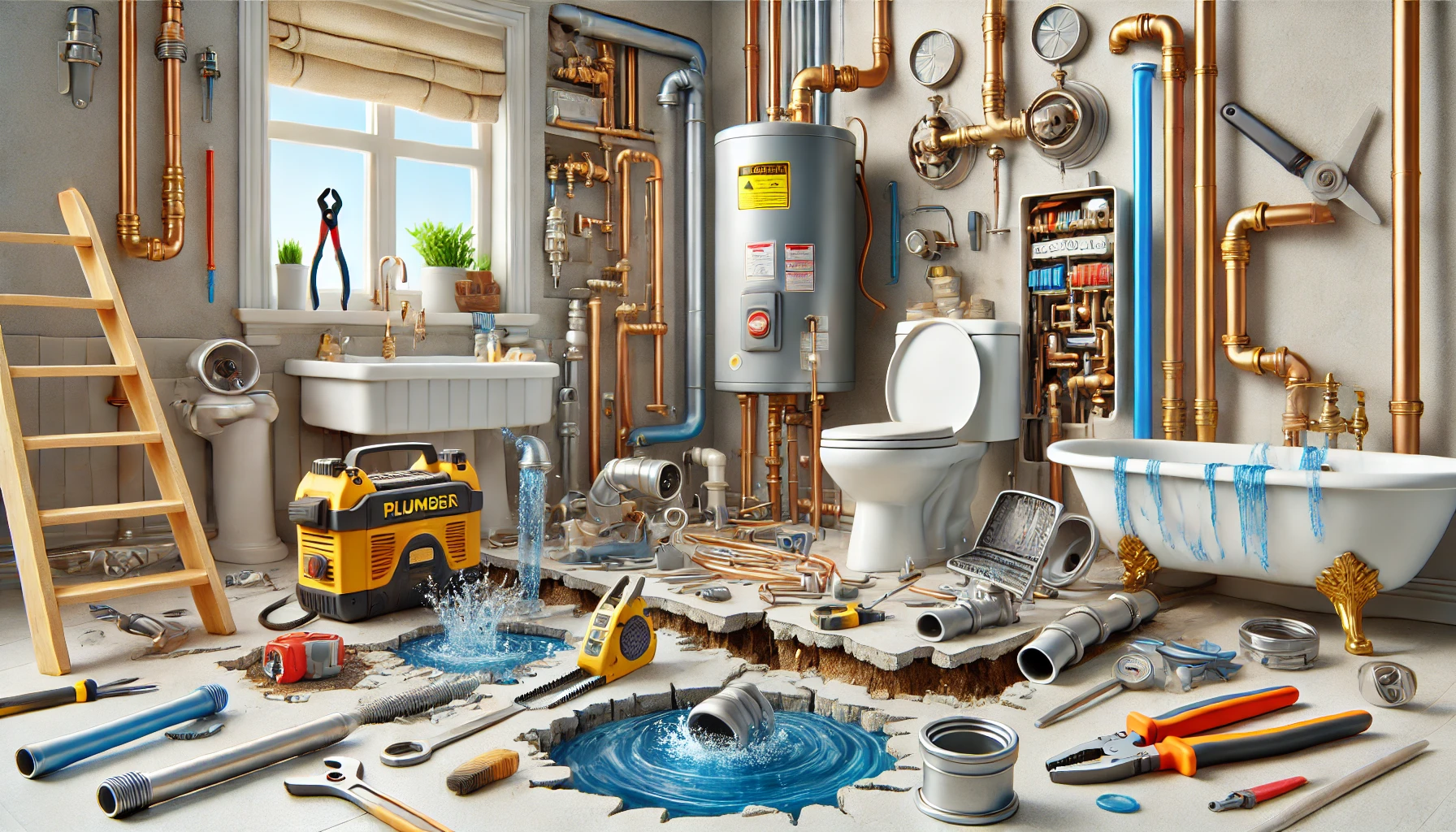
Water damage claims are common in homeowners insurance. When plumbing problems cause water damage, knowing what your policy covers is key. Covered water damage often includes sudden leaks from burst pipes or overflow from appliances like dishwashers.
However, not all water damage is covered. For example, slow leaks that lead to mold growth might be excluded from your policy. To make sure you have proper plumbing damage coverage, review your policy closely and consider additional endorsements if needed. It’s wise to document any incidents quickly for an easier claims process related to plumbing repairs.
Burst pipe coverage is a key part of most homeowners insurance policies. If a pipe bursts because of freezing temperatures or wear, this coverage helps pay for damages inside your home. Burst pipe insurance usually covers immediate repair costs like fixing damaged walls or flooring. But it may not cover long-term issues from neglecting maintenance on your plumbing system.
Regularly checking your plumbing system for wear and tear can help prevent costly repairs later. Understanding how your homeowners insurance policy addresses burst pipes helps you make smart choices about maintaining proper coverage.
Sewer line insurance is an important factor when considering homeowners insurance options. This type of coverage pays for fixing or replacing sewer lines damaged by tree roots, ground shifting, or other unexpected events.
Many standard homeowners policies do not cover sewer line repairs, so it might be smart to buy separate sewer line insurance based on where you live and the condition of your current infrastructure. Be sure to ask about specific exclusions in both general homeowner’s policies and specialized sewer line coverage before deciding on potential plumbing repairs covered under these plans.
Leaking pipe repair can be included in various home repair coverages offered by typical homeowners’ policies, but there are rules based on the cause and when the leak is found. Most insurers will cover leak repairs if they happen suddenly rather than ongoing issues due to poor maintenance over time.
For instance, if a leaking pipe causes significant water intrusion into ceilings or walls shortly after you notice it, the insurer may see this as an insurable event. In contrast, cases where negligence played a role (like ignoring slow drips) may not be covered. So if you notice leaks—big or small—it’s important to act fast by calling professionals who specialize in residential plumbing repairs and informing your insurers without delay!
Homeowners often deal with sudden plumbing emergencies that can cause a lot of damage if not fixed quickly. Knowing what plumbing issues are usually covered by homeowners insurance is important for keeping your finances in check and feeling secure.
By knowing these situations, homeowners can better understand their insurance coverage options for plumbing emergencies.
Water damage claims are one of the main reasons people file claims against their homeowners’ insurance policies; understanding what’s included makes it easier to handle this complicated area.
It’s smart to talk with your insurance agent before filing any claims because individual contracts have different exclusions!
Understanding what your homeowners insurance policy covers is super important. Many plumbing problems can be covered, but some things are excluded. For example, if a pipe bursts because of rust that’s been ignored for a long time, you might not get any help from your standard homeowners policy.
Also, most policies don’t cover damage from natural disasters like floods unless you add that coverage. It’s a good idea to read through your policy and ask your insurance agent what is included or excluded regarding plumbing coverage.
Homeowners insurance usually covers sudden damages, not regular maintenance problems. This difference matters a lot because many plumbing claims get denied for this reason. If a faucet leaks because it’s old, that’s likely seen as maintenance instead of an accident.
Covered repairs are usually about unexpected things, like burst pipes or water damage from an unexpected event. To protect yourself with homeowners insurance for plumbing issues, it helps to have regular inspections and fix small problems before they turn into big claims.
Here are some common exclusions in residential plumbing insurance:
Knowing about these exclusions can help you avoid surprises when you file a claim. It also ensures you have enough property damage insurance for risks at home.
Doing regular maintenance is key to avoiding costly exclusions in your home insurance policy. By following local plumbing codes and checking systems often—like looking for leaks under sinks—you can lower the chances of serious water damage from hidden problems.
Keeping track of all maintenance work can also help when making claims against affordable home insurance plans. This way, you show that you take care of your home and can get better outcomes when claiming damages.
Understanding wear and tear compared to actual damage is important for home insurance claims related to emergency plumbing services:
Knowing these differences can help make the claim process clearer so you know if your situation qualifies for compensation under your existing policy agreements!
Filing a homeowners insurance claim is important when you face plumbing problems. Understanding the insurance claim process helps you ensure your plumbing repairs are covered. Here’s a simple guide to get you through this.
By following these steps carefully within the context of understanding home repair coverage through homeowners insurance policies—especially regarding common issues like water damage remediation—you can increase your chances of resolving everything without too much stress.
When plumbing emergencies lead to water damage, it’s important to assess the damages before seeking help with insurance claims related to plumbing failures.
Repair costs can vary based on:
Homeowners should collect multiple quotes from qualified professionals who have experience with similar situations. Also, verify whether specific types of plumbing repairs fall under existing insurance plans that protect against unexpected incidents with residential properties’ infrastructures—including those covering utilities like electricity, water, or sewage disposal systems.
Understanding expected costs helps prepare better regardless if pursuing reimbursements later through homeowner’s insurance since knowing what to expect saves surprises later!
Keeping your plumbing in good shape can save you a lot of money and hassle. There are simple preventative measures that can help reduce plumbing issues. Here are some easy steps to follow:
By following these preventative measures, homeowners can lessen the risk of serious plumbing issues, which may be covered under affordable home insurance policies designed for unexpected repairs.
Homeowners insurance is key for protecting against plumbing damage. A basic homeowners insurance policy typically covers sudden problems like burst pipes or severe water damage caused by unexpected events.
But sometimes, you need more than just standard coverage:
Knowing these options will help you stay financially secure against unexpected plumbing disasters.
It’s smart to look into specialized insurance if you worry about emergencies involving your plumbing:
These additional coverages can provide peace of mind when it comes to protecting your property.
Checking your homeowners’ policy regularly is key for making sure you have enough property damage insurance and home repair coverage. By reviewing your policy often, you can catch any gaps before they become a problem. It’s better to be proactive rather than waiting until something goes wrong.
Regular reviews help ensure that you’re protected against potential issues related to plumbing failures or other property damage events that could impact your finances significantly. Always make sure you’re covered based on current risks and needs in your area!
1. What plumbing repairs does homeowners insurance typically cover?
Homeowners insurance often covers burst pipes, sudden leaks, sewer line issues, and water heater failures. Coverage may also apply to toilet overflows and flooding from appliances.
2. Are there any exclusions in plumbing coverage?
Yes, policies usually exclude damage from neglect, wear and tear, or natural disasters. Always review your policy for specific terms.
3. How do plumbing deductibles work?
Plumbing deductibles are the amounts you pay out of pocket before your insurance kicks in. Check your policy to see how much you need to pay for plumbing repairs.
4. Can I add plumbing maintenance insurance to my policy?
Some insurers offer add-ons for plumbing maintenance insurance. This can cover regular inspections and minor repairs not included in standard policies.
5. How do I estimate plumbing repair costs for a claim?
Gather multiple estimates from licensed plumbers. Document all visible damages and get a detailed breakdown of repair expenses for your claim.
Knowing these aspects can help you manage your homeowners insurance effectively while ensuring proper coverage for plumbing emergencies.