24 Hour Service - 7 Days a Week

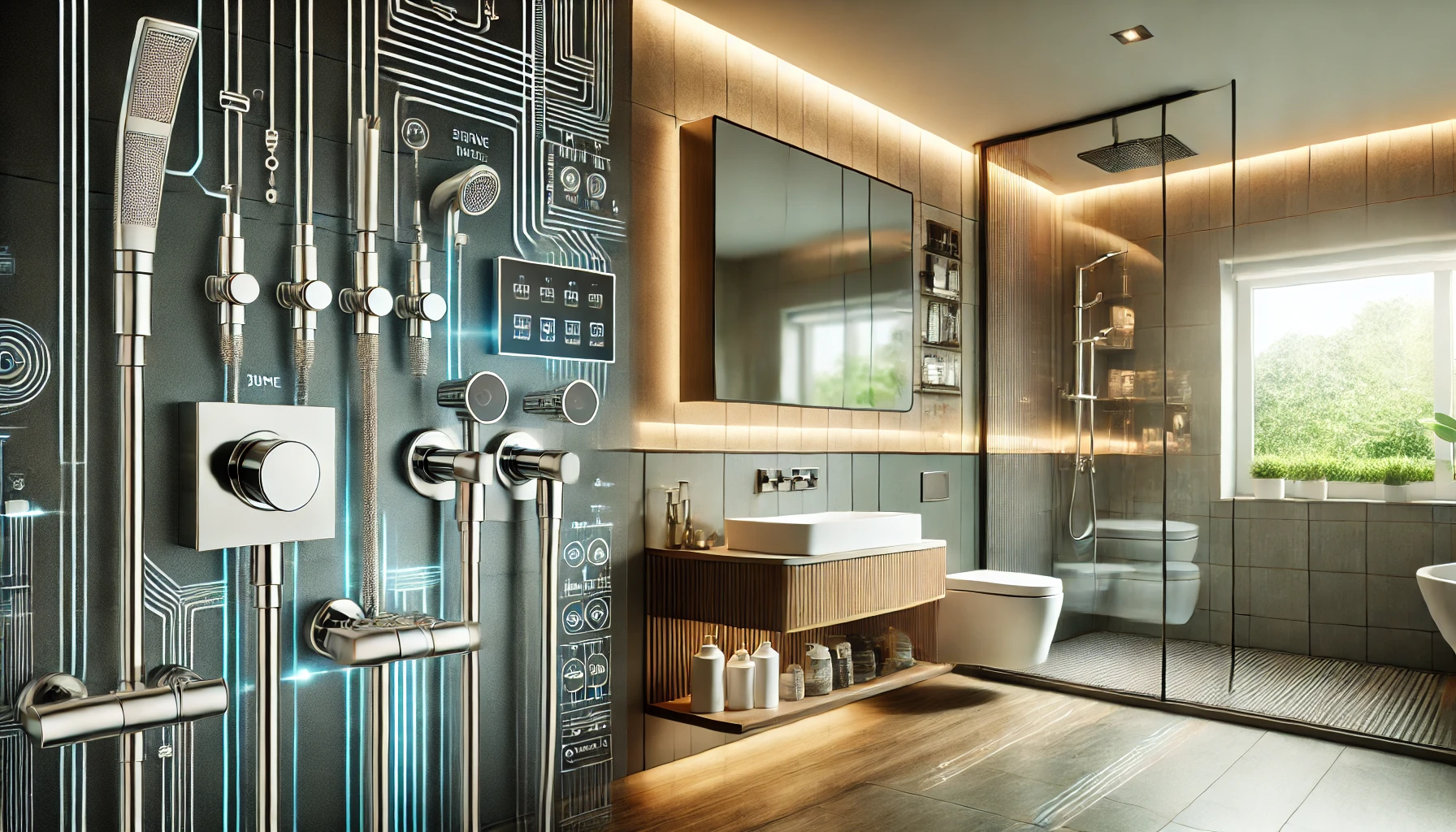
“Planning bathroom plumbing upgrades involves harmonizing beauty, efficiency, and adherence to local codes. Black Mountain Plumbing ensures San Diego homeowners achieve compliant, aesthetic, and functional bathroom transformations.”
—
Planning a bathroom plumbing upgrade can really boost your home’s comfort and efficiency. In San Diego, where style and following local codes matter a lot, smart renovations can enhance both how well things work and how they look. Knowing the details of plumbing upgrades helps you make sure your project meets what you want while also sticking to residential plumbing codes.
A good plumbing system is key for both functionality and visual appeal in your bathroom. When water flows properly, it helps avoid problems like low pressure or sudden temperature changes. A well-thought-out layout makes everything easier to use. Choosing fixtures that save water is another smart move. This not only helps you save money but also supports sustainable plumbing solutions—something many people care about these days.
By combining these ideas into your renovation planning, you’ll create a space that’s not just nice to look at but works really well too. Plus, it’ll help lower your water bills and meet eco-friendly standards.
Before starting any upgrades, take a good look at your current plumbing setup. Figure out what needs fixing; maybe it’s old pipes or poor drainage that make showers or toilets less effective. Keeping up with maintenance can help catch small problems before they turn big.
Today, there’s cool smart plumbing technology out there, like leak detectors and smart thermostats, that adds convenience. These tools let homeowners keep an eye on their systems from afar, making it easier to manage appliances and extend their lifespans.
When planning your bathroom renovation, be clear about your goals. Do you want to increase property value? Are you interested in eco-friendly options like dual-flush toilets? Knowing what you want will help you make the right choices along the way.
Efficient plumbing solutions should top your priority list here. Make sure every upgrade looks good and functions well while fitting into wider sustainability goals for the community.
Good budget planning for renovations is about thinking through all costs—from materials to labor—to get accurate estimates throughout the project. Doing life cycle cost analysis on possible upgrades will show you not just the upfront costs but also how much you could save in the long run by improving efficiency.
By setting realistic timelines along with flexible budgets before diving into work on your bathroom design, you’ll better manage expectations as each step moves toward completion.
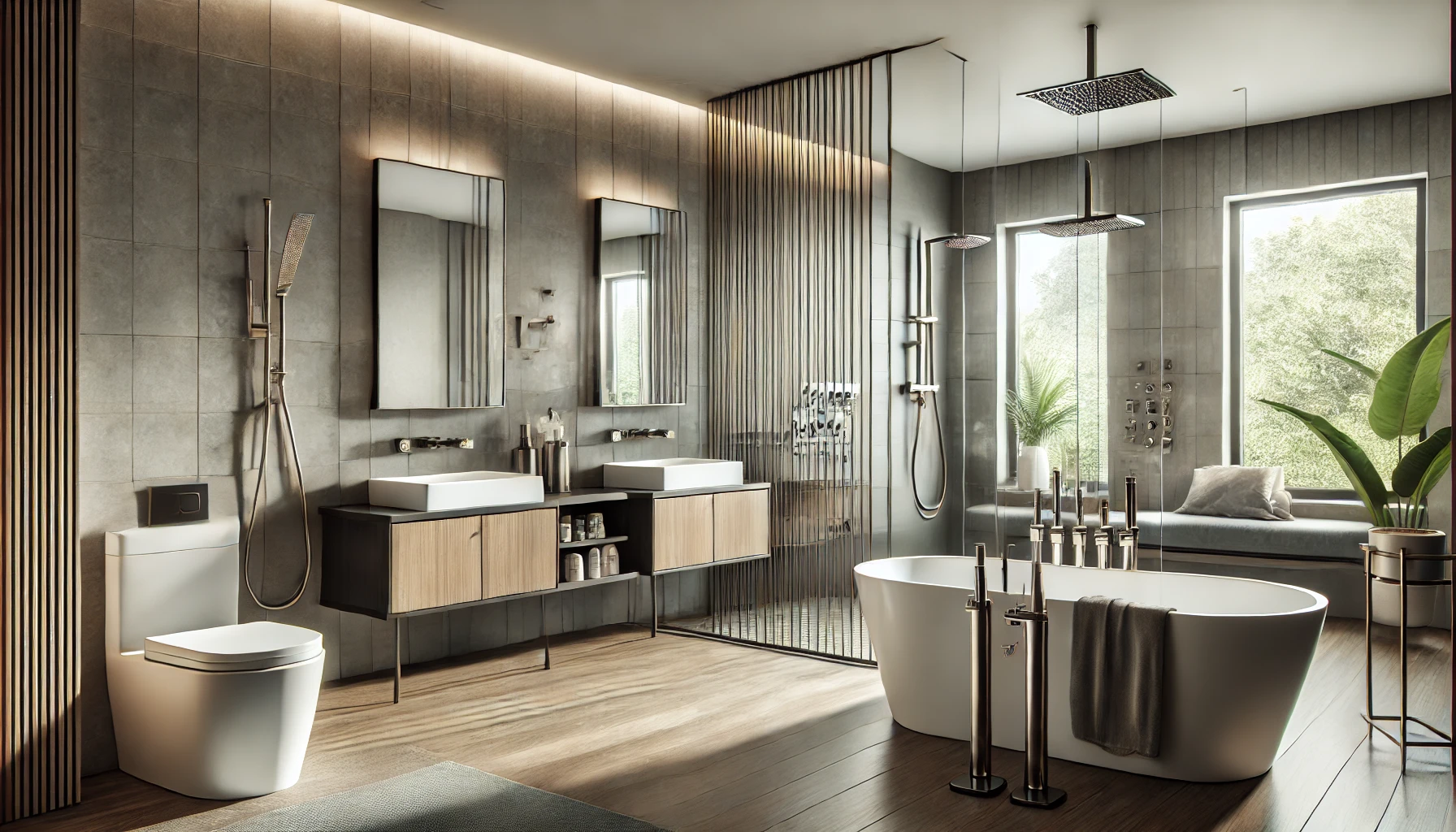
When you think about remodeling your bathroom, it’s key to find a good balance between looks and how well everything works. Plumbing upgrades are super important here. They can make your bathroom look better and work more efficiently. By picking modern plumbing fixtures that fit with current styles and following local rules, you can create a space that’s both pretty and practical.
Picking the right plumbing fixtures is really important for any bathroom renovation. Start by looking for durable materials. Brass or stainless steel lasts longer than plastic. You also need to match style with function—your new faucets should look nice and work well too.
Here’s a quick list of common fixtures:
Getting these elements right helps you find custom plumbing fixtures that make your home look great while also doing their job well.
Design trends can really guide your fixture choices during renovations. Nowadays, clean lines and minimalistic designs are popular. Some people even like an industrial look, using raw materials like metal and concrete. Vintage styles are back too, adding charm through detailed designs.
Think about how your personal style can come into play here. Color choices affect how everything fits together in your bathroom. The finish on each fixture—whether it’s matte black or shiny chrome—can change the mood of the space while keeping everything functional.
Water conservation is becoming more important in home improvement projects. Eco-friendly options like dual-flush toilets let you control how much water you use for each flush. Low-flow faucets are another smart choice; they keep pressure while using less water compared to older models.
Adding smart plumbing technology can also boost efficiency by tracking usage patterns and offering tips on saving water. These choices help the environment and can save you money on bills in the long run when you pick efficient products from the start.
Before you start any bathroom remodel that involves plumbing upgrades, knowing local rules is very important, especially in San Diego. Make sure you understand what permits you need before starting any work; this will help avoid fines later!
Getting a compliance inspection makes sure everything meets safety codes related to drainage systems or electrical connections for new fixtures—keeping homeowners safe from future problems!
Also, check if your contractor follows local laws: make sure they have the right licenses before hiring them! This helps protect your investment during the remodel process so you can enjoy your beautiful new space without worries!
If you’re planning to upgrade your plumbing in San Diego, it’s important to understand local plumbing codes and regulations. These codes are in place to ensure that plumbing work is safe and efficient. Following these compliance standards is vital for any home renovation project.
Before jumping into any plumbing upgrades, understanding permits is key. Local plumbing permits help ensure you follow building codes. They confirm that your renovations meet safety standards, which can help you avoid fines or serious issues later on.
Understanding the Importance of Permits
Getting a building permit isn’t just a formality. It shows you’re complying with plumbing regulations meant to protect homeowners. If you skip permits, you might face legal troubles or expensive repairs down the line.
Types of Required Inspections
Home improvement inspections can vary based on your project’s size and complexity. Typical checks include ensuring structural safety and adherence to residential plumbing codes. Common inspections include rough-in inspections before walls are sealed up, and final inspections once all work is done.
Navigating the Permit Process in San Diego
The permit application process in San Diego has a few steps:
Knowing these steps can make your renovation planning smoother while keeping you in line with local laws about home improvements and plumbing systems.
Choosing plumbing fixtures is key to mixing looks with function in your home. You need to think about style, how long the materials will last, and how much water you use. This helps create a space that meets your needs and follows local codes.
Faucets come in many options. You can find modern designs or go for vintage styles that fit your kitchen or bathroom decor. Custom plumbing fixtures let you show off your personal style while being practical.
When picking a faucet, look at how it works too. Features like single-handle designs or pull-down sprayers can make things easier to use. If you need something more accessible, there are ADA-compliant fixtures that blend ease of use with good design.
Key Considerations for Faucet Selection:
Shower improvements can really change how you enjoy your shower and how much water you use. Water-saving fixtures with low-flow technology help you save resources and lower your utility bills.
There are many types of modern showerheads available. Rainfall styles give a spa-like feel, while handheld options allow for flexibility. Dual-flush toilets work well with these choices because they let you pick between a full or half flush.
Benefits of Low-Flow Showerheads:
Picking the right bathtub is about comfort and style. Freestanding tubs can be beautiful focal points in modern spaces. On the other hand, classic clawfoot bathtubs add vintage charm.
Sink styles also vary widely. Undermount sinks provide a seamless look on countertops, while vessel sinks make bold statements. By choosing fixtures that match each other, you create a unified design that supports eco-friendly plumbing practices.
Popular Fixture Styles Include:
By selecting each fixture based on style, material quality, and environmental care, you’ll enhance your home’s beauty while supporting sustainability goals in places like San Diego’s regulatory framework.
When you plan plumbing upgrades, it’s important to understand the costs. Your budget should cover everything, including materials selection and labor. Start by setting your overall financial limits for home improvement projects. This realistic budget will help you choose the right fixtures, pipes, and other necessary components.
Key Considerations for Your Budget:
Having a detailed budget keeps you from spending too much while making sure you get the improvements you want for your home’s function and look.
Choosing a reliable plumber is key for successful installations that follow local codes. Start by asking friends or family who have had good experiences with professional plumbing services.
Tips for Hiring a Trusted Plumber:
A dependable plumber ensures safety and compliance while giving you peace of mind throughout the installation process.
Knowing installation guidelines helps keep your project on track. Each phase of your upgrade needs careful planning to reduce disruptions in your home while following residential plumbing codes.
Installation Steps Include:
By sticking to these guidelines during installation, you can achieve efficient plumbing solutions that boost both the look and function of your space while keeping safety in mind.
To keep your upgraded plumbing system running well, regular maintenance is a must. Here are some easy tips to help you care for your plumbing fixtures:
By following these steps, you can help your plumbing system last longer and work better.
Planning a bathroom renovation in San Diego? Working with professionals ensures that all local plumbing codes are met properly. Our team knows how to handle these regulations while providing excellent results for your home.
Services We Offer:
Every project we do focuses on improving your home’s look and function at the same time. When you choose skilled experts who know local requirements well, you’re making a wise choice for your home’s comfort and value.
1. What are the best materials for durable plumbing fixtures?
Stainless steel and brass are top choices for their durability and corrosion resistance.
2. How can I ensure my bathroom plumbing upgrade complies with local codes in San Diego?
Obtain necessary permits and schedule required inspections to ensure all work meets local safety standards.
3. What are some water-saving fixtures I can include in my renovation?
Consider dual-flush toilets, low-flow showerheads, and faucets designed to reduce water usage without sacrificing performance.
4. Can I handle some plumbing upgrades myself?
Simple tasks like replacing faucets or installing low-flow showerheads can be DIY projects, but major upgrades should involve professional plumbing services to ensure compliance with codes.
5. How do smart plumbing technologies benefit my home?
Smart leak detectors and thermostats help monitor your system remotely, offering convenience and extending the lifespan of your appliances.
6. What types of showerheads are available for a modern bathroom remodel?
Options include rainfall showerheads for a spa-like experience and handheld showerheads for flexibility.