24 Hour Service - 7 Days a Week


Did you know that the water quality in your home could be affecting your health? Testing your home’s water quality is a crucial step in ensuring the safety of your drinking water. Whether you get your water from a well or a municipal water supply, contaminants such as bacteria, heavy metals, and chemicals can find their way into your tap. In this comprehensive guide, we will explore the depths of water quality testing, equipping you with the knowledge and tools you need to assess the safety of your drinking water.
Using the latest research and expert insights, we will demystify the testing process and help you understand what to look for when analyzing your water quality report. From understanding common water contaminants to recommending the best testing methods, this guide has you covered. Discover how to take control of your home’s water quality and make informed decisions about ensuring the health and well-being of you and your family. Read on to unlock the secrets of testing your home’s water quality and take the first step towards a healthier future.
Testing your home’s water quality is an essential practice that many homeowners overlook. The quality of water that flows from our taps directly impacts our health, safety, and overall well-being. Water is a fundamental resource for cooking, cleaning, and drinking, making it imperative to ensure that it is free from harmful contaminants. Regular testing provides peace of mind, allowing homeowners to identify any potential issues before they escalate into serious health concerns.
Moreover, the source of your water can significantly influence its quality. Those relying on private wells may be particularly vulnerable since groundwater can be contaminated by agricultural runoff, industrial waste, or even septic systems. On the other hand, municipal water supplies, while generally treated, may still contain trace amounts of contaminants due to aging infrastructure or environmental factors. By proactively testing your water, you can stay ahead of potential threats and take action when necessary.
In addition to safeguarding your health, testing water quality can also improve the taste and clarity of your water. Many homeowners report unpleasant odors or flavors in their tap water, which may be an indication of deeper issues. By identifying and addressing these problems, you can enhance your drinking experience and encourage your family to stay hydrated. Ultimately, regular water testing serves as a critical first step in ensuring that your home remains a safe haven for you and your loved ones.
Understanding the common contaminants that can be present in tap water is crucial for assessing its safety. One of the most frequently detected contaminants is chlorine, which is often used as a disinfectant in municipal water supplies. While chlorine is effective in killing harmful bacteria, it can lead to unpleasant tastes and odors in drinking water. Additionally, chlorinated water can form harmful by-products known as trihalomethanes when chlorine interacts with organic matter.
Heavy metals are another significant concern when it comes to water quality. Contaminants like lead, mercury, and arsenic can seep into drinking water through corroded pipes, industrial runoff, or natural geological processes. Lead exposure is particularly alarming, as it can cause severe health issues, especially in children, including developmental delays and cognitive impairments. Testing for heavy metals is vital to ensure that your water remains within safe limits.
Microbial contaminants, such as bacteria and viruses, pose a considerable risk as well. Coliform bacteria, for example, can indicate the presence of fecal contamination in water supplies, which may lead to serious gastrointestinal illnesses. Other microorganisms, like Giardia and Cryptosporidium, can cause severe health issues if ingested. Understanding these common contaminants allows homeowners to take targeted actions to protect their health and well-being.
The health risks associated with contaminated water can be extensive and severe. Consuming water tainted with harmful substances can lead to acute illnesses, chronic health problems, and even long-term consequences. For instance, exposure to high levels of lead can result in neurological issues, particularly in children, who are more susceptible to its adverse effects. Symptoms of lead poisoning may not be immediately apparent, making it even more dangerous.
Additionally, pathogens present in contaminated water can lead to gastrointestinal diseases, which can cause symptoms ranging from nausea and vomiting to severe dehydration. In some cases, these illnesses can be particularly dangerous for vulnerable populations, including infants, elderly individuals, and those with compromised immune systems. Understanding the potential health risks associated with contaminated water is crucial for motivating proactive testing and remediation efforts.
Moreover, exposure to chemical contaminants, such as pesticides or industrial solvents, can lead to long-term health complications, including cancer or reproductive issues. The cumulative effects of these exposures may not manifest until years later, making it essential to monitor water quality consistently. Awareness of these risks will empower individuals and families to take necessary precautions to protect their health and ensure clean, safe drinking water.
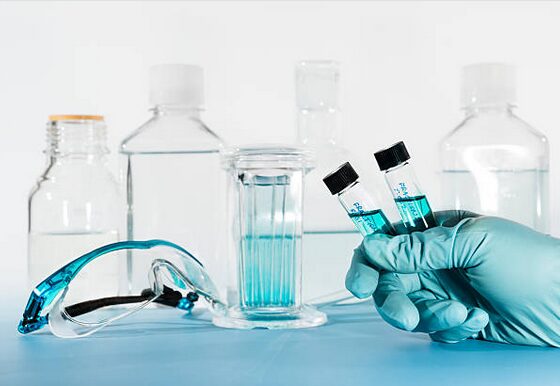
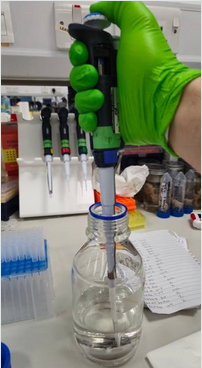
When it comes to testing water quality, various methods are available to homeowners. Each method has its own advantages and disadvantages, making it important to choose the right one based on your specific needs and circumstances. One of the most common methods is laboratory testing, where a sample of water is collected and sent to a certified laboratory for analysis. This method is highly accurate and can detect a wide range of contaminants, including heavy metals, bacteria, and chemical pollutants.
Alternatively, field testing kits offer a more immediate solution for homeowners looking to assess their water quality. These kits are designed for easy use, allowing individuals to conduct tests on-site without needing to send samples to a laboratory. While field tests may not be as comprehensive as lab tests, they can provide quick results for specific parameters, such as pH levels, chlorine concentration, or hardness. This instant feedback can be particularly useful when addressing immediate concerns.
Another emerging method of water testing involves the use of smart technology. Innovative devices and applications can analyze water quality in real-time, providing users with continuous monitoring and alerts regarding potential issues. These smart systems often connect to smartphones, allowing homeowners to track water quality trends over time. This cutting-edge technology offers a convenient and proactive approach to ensuring safe drinking water in the home.
DIY water testing kits have become increasingly popular among homeowners seeking to assess their water quality conveniently and affordably. These kits typically include all necessary materials, such as test strips or liquid reagents, allowing users to perform tests themselves without the need for specialized training. Many kits are designed to test for common contaminants, such as bacteria, pH levels, hardness, and chlorine, providing a quick snapshot of water quality.
One of the significant advantages of using DIY kits is their accessibility. Homeowners can easily purchase these kits from local hardware stores or online retailers, making it simple to test their water whenever concerns arise. Furthermore, many kits come with easy-to-follow instructions, making them user-friendly for individuals without a scientific background. This empowers homeowners to take control of their water quality and make informed decisions.
However, it is essential to consider the limitations of DIY kits. While they can provide valuable information, they may not be as comprehensive as laboratory testing. Some kits may have a narrower range of detectable contaminants or could yield less accurate results. Therefore, it is advisable to use DIY kits as an initial screening tool and follow up with professional testing if any concerning results arise. By doing so, homeowners can ensure a thorough understanding of their water quality and address any potential issues effectively.
For those seeking a comprehensive assessment of their water quality, hiring a professional water testing service is an excellent option. These services employ trained technicians who are skilled in collecting and analyzing water samples in accordance with established protocols. By utilizing a professional service, homeowners can benefit from accurate, unbiased results and a thorough examination of their water supply.
Professional water testing services typically offer a wide range of tests, including checks for heavy metals, microbial contaminants, and chemical pollutants. This comprehensive approach allows for a more in-depth understanding of potential issues that may not be detectable through DIY kits. Additionally, many services provide clear, detailed reports that explain the results and any necessary follow-up actions, making it easier for homeowners to navigate their options.
While hiring a professional service may come with a higher cost than DIY testing, the peace of mind and accuracy provided can be invaluable. Professional tests can help identify serious issues that may pose health risks, allowing homeowners to take immediate action if necessary. For those who are serious about ensuring their water quality and safety, investing in professional testing is a wise decision that can lead to long-term health benefits.
Interpreting water test results can be a daunting task for many homeowners, as the data may be complex and filled with technical jargon. However, understanding these results is crucial for assessing your water quality and making informed decisions about any necessary actions. Typically, water test results will present levels of various contaminants, comparing them to established safety standards set by organizations like the Environmental Protection Agency (EPA).
When reviewing your results, pay close attention to the concentration levels of detected contaminants. Most test results will indicate whether the levels are within safe limits or if they exceed regulatory thresholds. It is essential to understand the implications of these findings, as elevated levels of certain contaminants can present serious health risks. For example, lead levels above 15 parts per billion (ppb) are considered hazardous, particularly to children and pregnant women.
In addition to the numerical values, many testing services provide context for the results, including recommended actions based on the findings. This guidance can be invaluable for determining the next steps in addressing any water quality issues. If you find the results challenging to interpret or if they indicate concerning levels of contaminants, consider consulting with a water quality expert or local health department for additional support. This collaborative approach will help you navigate your water quality concerns more effectively and ensure a safe drinking environment for your family.
Improving water quality at home is a proactive approach that can enhance the safety and taste of your drinking water. Once you have identified any concerns through testing, there are several steps you can take to address the issues effectively. One of the first actions is to ensure that your plumbing system is in good condition. Regularly check for leaks, corrosion, or signs of wear in pipes, as these factors can contribute to contamination. If you live in an older home with lead pipes, consider replacing them to eliminate the risk of lead leaching into your water supply.
Another effective strategy for improving water quality is to install a water filtration system. Various types of filters are available, each designed to remove specific contaminants. For example, activated carbon filters can effectively reduce chlorine, sediment, and certain chemicals, while reverse osmosis systems can eliminate a wider range of impurities, including heavy metals and dissolved solids. By investing in a quality water filtration system, you can enhance the safety and taste of your drinking water.
Additionally, regular maintenance of your water heater and plumbing fixtures can help prevent the buildup of contaminants. Flushing your water heater periodically removes sediment and minerals that can accumulate over time, impacting water quality and efficiency. Moreover, consider using water softeners if you have hard water, as they can reduce scaling and improve the effectiveness of soaps and detergents. By implementing these steps, you can create a healthier water environment for you and your family.
When it comes to treating contaminated water, various options are available depending on the specific contaminants detected. For homeowners facing microbial contamination, disinfection methods such as chlorination or ultraviolet (UV) treatment can effectively eliminate harmful pathogens. Chlorination involves adding chlorine to the water supply, while UV treatment uses ultraviolet light to deactivate microorganisms without the use of chemicals. Both methods are effective but may require regular monitoring to ensure their efficacy.
For those dealing with chemical contaminants or heavy metals, filtration systems are often the most effective solution. Activated carbon filters are excellent for reducing chlorine, volatile organic compounds (VOCs), and some heavy metals. Reverse osmosis systems, on the other hand, can remove a broader range of contaminants, including lead, arsenic, and nitrates. These systems work by forcing water through a semi-permeable membrane, which traps impurities and allows clean water to pass through.
In some cases, more advanced treatment options may be necessary, especially for extensive contamination issues. Ion exchange systems can be effective for removing hard minerals, while distillation can eliminate a wide range of contaminants by boiling water and capturing steam. Ultimately, the choice of water treatment option will depend on the specific quality issues identified and your budget. Consulting with a water treatment professional can help you determine the most suitable solution for your needs, ensuring that you achieve the best possible water quality for your home.
Ensuring safe and clean water for your home is a fundamental responsibility that every homeowner should prioritize. Regular testing and understanding of your water quality are essential steps in safeguarding your family’s health and well-being. By being proactive and informed, you can identify potential contaminants and take appropriate actions to address them, whether through DIY testing, hiring professionals, or implementing effective treatment options.
As water quality issues can vary widely depending on location and source, staying vigilant and informed is crucial. Investing in quality testing services, understanding test results, and taking necessary steps to improve water quality can significantly enhance the safety and taste of your drinking water. By educating yourself on the common contaminants and health risks associated with contaminated water, you can make informed decisions that protect your family.
In conclusion, the journey to ensuring safe water is ongoing. Regular testing, effective treatment methods, and a commitment to maintaining healthy water practices will empower homeowners to create a safe environment for their families. Taking these steps not only leads to better health outcomes but also fosters a deeper appreciation for the vital resource that water represents in our lives. Embrace the responsibility of monitoring and improving your home’s water quality, and enjoy the peace of mind that comes with knowing your drinking water is safe and clean.