24 Hour Service - 7 Days a Week


How do I prevent my drains from clogging? Black Mountain Plumbing offers practical tips to help you keep kitchen drains clear and maintain bathroom drain cleanliness through simple drain clog prevention methods. Regular kitchen drain maintenance and bathroom drain cleaning are key to avoiding clogged drains and ensuring smooth water flow.
—
Clogged drains can really mess up your day. So, knowing what causes them helps you stop problems early. Here’s why drains get clogged:
When you spot these signs, you can take steps to prevent drain clogs from forming or getting worse.
Hair Clog Removal
Hair clogs are a pain but easy to manage if you try:
Grease Traps
Grease causes big blockages unless handled right:
Soap Scum Buildup
Soap scum mixes with hair and blocks drains badly:
Kitchen Grease Disposal
Handle kitchen grease carefully:
Fibrous Vegetable Disposal
Fibrous veggies tangle inside garbage disposals and pipes. Try this instead:
Being careful about what you dump down drains helps avoid stubborn clogs and saves trouble later.
Mineral buildup from hard water can eat away pipes over time. To stop pipe corrosion:
Knowing these simple tricks helps keep your drains clear and your pipes safe from costly damage!
Kitchen drains can get clogged fast if you’re not careful. Grease is a big culprit. When it cools, it hardens and sticks inside pipes. This can cause major blockages.
You should never pour hot or cold grease down the drain. Instead, save it in a container and throw it away with your trash. Grease traps also help catch extra oil before it goes into your pipes.
Cleaning your garbage disposal often helps too. It keeps food scraps breaking down so they don’t build up and cause problems.
Try these simple tips to keep your kitchen drains clear:
These small steps help you avoid nasty odors and expensive plumbing repairs.
Drain screens are super useful. They stop stuff like hair, food bits, and other debris from going down the drain. This keeps your pipes clear and water flowing well.
You can put hair catchers on bathroom sinks or showers. They catch strands before they get stuck inside pipes.
In the kitchen, fine mesh strainers catch leftover food bits so they don’t slip into your drain line.
Using drain screens means less clogged drain prevention work later on. Plus, cleaning a screen is way easier than clearing out pipes full of gunk.
Here’s why you want drain screens:
A little screen goes a long way toward protecting your plumbing system.
Grease buildup happens when cooking oils cool and stick inside pipes. It narrows them so water can’t flow right.
Never pour liquid fat or oil into sinks. Let it cool first, then pour into a sealable container for trash disposal.
If some grease slips into the sink, flush it quickly with hot water and dish soap. This helps break down small amounts before they harden.
Follow these easy steps:
Doing this keeps your pipes safer and avoids tough blockages that need a plumber’s help.
Garbage disposals break down food waste, but you gotta use them right. Here are some tips to keep yours working well:
Use your disposal regularly even if you don’t need it much. This stops parts from rusting and breaks up any buildup around blades.
Good habits like these keep your garbage disposal running longer and prevent kitchen drains from clogging because of bad breakdowns inside pipes.
—
For expert advice on preventing clogged drains at home or assistance with routine plumbing maintenance in San Diego California area contact Black Mountain Plumbing today!
Keeping your bathroom drains clear helps stop drain clogs before they start. You should clean your bathroom drains regularly to prevent hair clog removal and soap scum buildup. One easy tip to avoid clogged drains is to use a bathroom hair catcher. It traps hair before it goes down the drain and blocks pipes.
Soap scum sticks to the walls inside pipes and makes drains narrower over time. Flushing hot water once a week can wash away some of that buildup. Don’t pour oily or greasy stuff down the sink since that adds to clogs too.
Taking care of your bathroom sink drain means watching what you put down there. Non-flushable items like wipes, cotton swabs, and dental floss don’t break down. They cause big blockages if flushed or washed into sinks.
So, clean often, use a hair catcher, and avoid non-flushable items. Those simple steps help keep your drains flowing well.
Hair causes many blocked bathroom drains. A bathroom hair catcher catches loose hairs before they clog pipes. This helps with hair clog removal and stops soap scum from building up inside.
To clear out hair that’s already stuck:
Doing this keeps water draining fast instead of slow from tangled hairs and soap gunk. Using a good hair trap saves you time and avoids expensive plumbing fixes later on.
Non-flushable items cause tough clogs in bathrooms. Wet wipes—even if they say “flushable”—paper towels, feminine products, cotton balls, and dental floss don’t dissolve well in pipes.
Always throw these things in the trash, not the toilet or sink. Being careful about what goes down your drains protects plumbing and helps wastewater systems work right.
Following these easy tips keeps your bathroom drains healthy and cuts down on calls for plumbers like Black Mountain Plumbing in San Diego California.
Keeping drains clear helps avoid expensive plumbing problems. Many people like natural, chemical-free drain cleaners. These work well and don’t harm pipes or the environment.
One easy way is a baking soda and vinegar treatment. It’s a homemade drain cleaner that fizzles and breaks down gunk inside pipes. Another tip is to flush drains with boiling water to melt grease buildup.
Enzymatic drain cleaners use enzymes to break down stuff like hair and food. They don’t use harsh chemicals. This keeps pipes safe and water flowing.
When you pick between chemical vs natural drain cleaners, safety matters most. Chemicals can hurt pipes and be risky if not used right. Natural choices clean gently and work well for regular use.
Try these tips often. They help stop clogs and keep water moving smooth.
Baking soda and vinegar treatment is a favorite homemade drain cleaner for stopping clogs the natural way. Baking soda is a mild alkali that breaks down grease. Vinegar’s acid dissolves mineral buildup.
Here’s how to try this chemical-free mix:
This method uses biodegradable cleaning agents that don’t leave toxic residue behind. It’s safer for kids, pets, and your home.
Use this every few weeks to keep kitchen drains fresh and stop smelly odors from stuck food waste.
Flushing drains with hot water helps clear pipes without chemicals or gadgets.
Pouring boiling water slowly down sinks or tubs melts fats, oils, and soap scum that clog pipes over time.
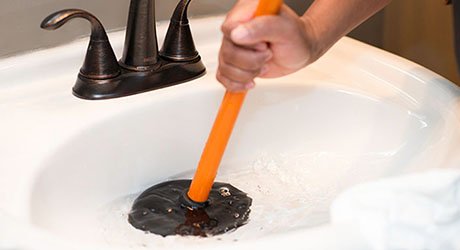
Try this:
The cold water prevents damage from sudden heat changes. Do this once a week to clear minor blockages before they get worse.
If your drains stay slow or clogs keep coming back, call for professional drain cleaning services. Stubborn clogs don’t go away with quick fixes and can get worse without expert help. Black Mountain Plumbing gives you a full service that hits the real cause of blockages. This helps stop clogged drain prevention for good.
When plumbing emergencies happen—like sudden backups or drains overflowing—you need emergency plumbing solutions fast. Waiting too long can cause big damage and health problems. The plumbers at Black Mountain Plumbing come quickly and use the right tools to fix your home’s pipes.
You should do regular maintenance, but knowing when a clog needs a pro can stop bigger troubles later.
Here are some signs that show you have a severe clog:
These signs often come from things like grease buildup, hair stuck in pipes, soap scum, or stuff pushed too far down your drains. If you ignore these pipe clog symptoms, the blockage can get so bad it needs costly repairs.
Doing regular plumbing inspection and maintenance stops most serious clogs before they start. Experts check sewer lines and main drains with cameras and special tools.
Professional drain clearing takes out tough buildup without hurting your pipes. Sewer line maintenance stops roots from breaking in and stops corrosion that blocks pipes over time.
In kitchens, grease trap cleaning matters because fats harden inside pipes and cause clogs if left alone.
Setting up regular check-ups with trusted pros keeps your plumbing working longer and cuts down on emergency calls—which saves money and stress later.
A healthy plumbing system starts with keeping your drains clean. You can stop clogs by doing simple things often. Clean your drains regularly to get rid of hair, grease, and food bits before they cause trouble. Don’t pour harsh chemicals down the drain. Try natural cleaners or call a plumber if you need help.
Here are some easy home drain care tips:
These steps help your plumbing system care and keep water flowing well.
Good plumbing system health means water flows smoothly through your pipes. When your drains are clear, water moves fast, and you avoid slow drains that warn of clogs. Stop drain clogs early and you save time fixing problems later.
Here’s why a healthy system matters:
Taking care of your pipes saves you hassle and keeps your home running right.
Preventing clogged drains starts with knowing what should NOT go down them. Don’t flush wipes, paper towels, or big food scraps—they block pipes fast.
Try these proactive steps:
These habits cut down clogged drains and protect your whole plumbing system from damage over time.
What are the best DIY drain cleaning methods to prevent clogs?
Use baking soda and vinegar treatments regularly. Flush drains with boiling water weekly. Choose enzymatic cleaners for organic buildup. Avoid harsh chemicals.
How often should I schedule drain maintenance to keep drains clear?
Schedule regular drain cleaning every few months. Regular maintenance helps avoid severe blockages and pipe damage.
What should I avoid putting down kitchen and bathroom drains?
Avoid non-flushable items like wipes, cotton balls, and dental floss. Don’t pour grease or fibrous food waste down the sink.
Can enzymatic drain cleaners help with hair and soap scum removal?
Yes, enzymatic cleaners break down organic matter like hair and soap scum without harming pipes or the environment.
When is it time to call Black Mountain Plumbing for professional drain cleaning?
Call if you notice slow draining, foul odors, water backup, or recurring clogs despite home care.
How do drain strainers help in clogged drain prevention?
Drain strainers catch hair, food scraps, and debris before they enter pipes. This reduces blockages and simplifies cleaning.
What are the risks of using chemical drain cleaners versus natural alternatives?
Chemical cleaners can damage pipes and harm the environment. Natural options clean gently without corrosion or toxic residue.
Trust Black Mountain Plumbing for prompt, reliable San Diego plumbing services that safeguard your home’s plumbing system health year-round.