24 Hour Service - 7 Days a Week


One key advantage of smart plumbing systems is better plumbing efficiency. Connected plumbing systems use sensors and software to watch water usage in real-time. This helps you spot leaks or other issues before they cause big problems. Plus, energy-efficient plumbing fits easily into existing setups, making upgrades simpler and less costly.
Automation is important too. It reduces how much water we waste. For example, smart faucets and toilets can change flow rates based on your habits. They can even know when they are not needed, which cuts down on water waste. Water-saving technologies like rainwater harvesting work well with traditional plumbing to lower your reliance on city water.
Adding smart plumbing features to your home boosts convenience and helps you manage resources better. Mobile apps let you control your water system from anywhere. You can adjust settings or get alerts about issues while you’re out.
Investing in smart plumbing leads to smarter resource management at home. It makes everyday life more comfortable and safer for everyone who lives there.
Smart leak detection technology is changing how we handle plumbing problems. Automated leak detection systems send real-time plumbing alerts right to your smartphone. These tools use IoT in plumbing to check water flow and pressure. They can spot leaks before they cause big issues. Predictive maintenance looks at past data to warn you about future repairs, saving you money and hassle.
Key features of smart leak detection include:
Investing in these technologies protects your home and helps you save on water waste and repair costs.
Energy-efficient plumbing is key for homeowners wanting lower bills and comfort. Automated water heating systems make it easy to manage hot water needs. Features like automated water shut-off valves and smart thermostats adjust temperatures based on your habits.
These advanced plumbing technologies offer many benefits:
Switching to an automated system guarantees hot water while keeping energy use in check.
Smart faucets and shower controls are gaining popularity in modern homes. These intelligent plumbing fixtures let you control water flow and temperature with voice commands or touchless sensors. This not only adds convenience but also helps reduce water waste, making them great eco-friendly plumbing solutions.
Notable advantages include:
These features enhance user experience while contributing to a more sustainable lifestyle by conserving resources.
Remote monitoring in plumbing is becoming popular among homeowners. Digital plumbing services let you watch over your system from a phone or tablet. Connected plumbing systems give insights into how much you’re using, alerting you to any inefficiencies or potential problems before they become major repairs.
Benefits of this technology include:
This integration into smart home automation gives you peace of mind while enhancing control over household management tasks related to utilities, making homes smarter every day.
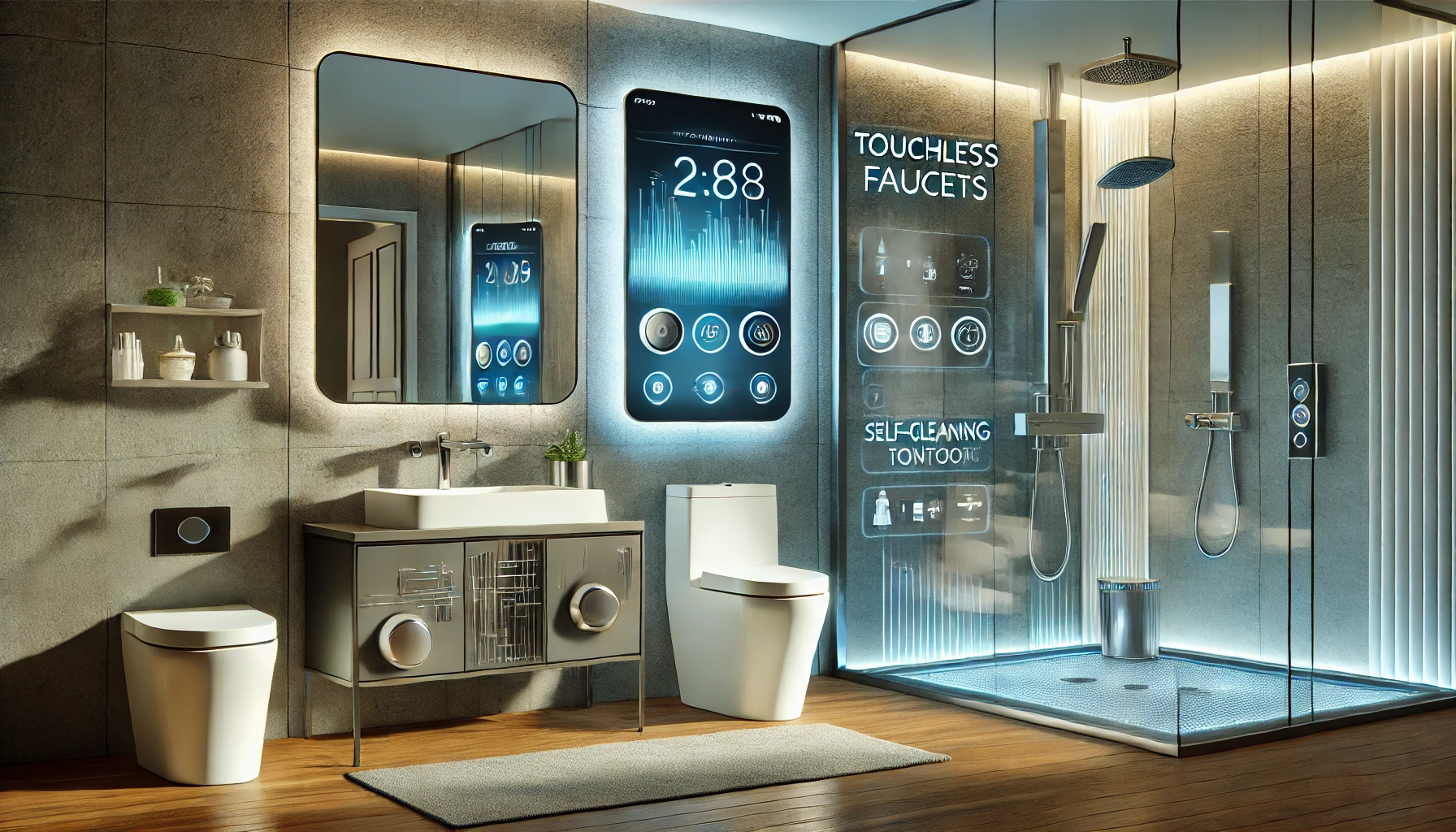
Smart plumbing technologies help homeowners manage water use better. They improve water efficiency by using smart water management systems. These systems provide real-time data that shows leaks or unusual usage. This way, you can act quickly to fix problems.
Water-saving technologies, like low-flow fixtures, are key in eco-friendly plumbing. Intelligent water management techniques help homeowners schedule irrigation based on weather and soil moisture. This conserves water and keeps plants healthy.
Using these strategies can lead to lower utility bills while also supporting environmental conservation efforts.
Energy-efficient plumbing plays a big role in cutting household expenses. Advanced plumbing technologies offer automated solutions that boost energy efficiency at home. For example, smart thermostats linked to your hot water system allow for better heating schedules, reducing energy waste.
Predictive maintenance tools can spot potential issues before they become costly repairs. By finding problems early—like pipe corrosion or pressure changes—homeowners save money by acting promptly instead of dealing with expensive emergencies.
These cost-effective plumbing innovations lower monthly bills and extend the lifespan of your home’s systems by ensuring efficient operation across all areas.
IoT technology is changing how we approach smart irrigation systems. Connected home systems allow devices to communicate easily. For instance, a rain sensor linked to an irrigation controller adjusts watering schedules automatically when it rains, preventing overwatering.
Automated leak detection technology adds another layer of protection by alerting you at the first sign of leaks in pipes or sprinkler heads. This helps prevent damage from unnoticed leaks while optimizing time and resources for your garden.
As more homes use these solutions, integrating smart irrigation methods is essential for achieving sustainability goals while maintaining beautiful outdoor spaces with less effort.
Smart plumbing technology is becoming common in homes. However, it raises security and privacy issues. Connected plumbing systems use the Internet of Things (IoT) to work better, but they can be targets for cyberattacks. Cybersecurity in plumbing is very important because unauthorized access can lead to data breaches or manipulation of systems. Homeowners should look for smart home devices that have strong security features. These include encryption and updates for software.
When you connect your plumbing with other smart home devices, it can make security more complicated. It’s really important to know how your connected plumbing works with other gadgets in your home. You need a secure network for everything to function properly. Simple steps like using strong passwords and two-factor authentication can help protect against online threats while allowing you to enjoy the perks of smart plumbing.
Installing smart plumbing systems needs careful planning. Hiring a professional plumber is a good idea. They can install the tech properly and teach you about maintenance to make your system last longer. One cool feature is automated leak detection. This sends immediate alerts when there are leaks, cutting down on water damage.
Another smart strategy is predictive maintenance. This method uses data to foresee problems before they happen, avoiding costly repairs later on. With advanced technologies, homeowners can monitor water use patterns in real-time, helping them manage resources effectively while preventing emergencies.
Investing in cost-effective plumbing solutions goes beyond just what you pay upfront; it’s about saving money in the long run through energy efficiency and water conservation strategies. Intelligent water management systems can help with this, ensuring you save where possible. For instance, automated water shut-off technology stops the flow when there’s a leak or malfunction, reducing waste until repairs are made.
With these innovations, homeowners often see lower utility bills due to smarter consumption patterns. Many cities also offer incentives for using eco-friendly practices like smart irrigation or low-flow fixtures that connect with IoT capabilities. This isn’t just about convenience; it’s also a step towards living more sustainably.
Smart plumbing technology can make your life easier. Integrating these systems into existing plumbing is a smart move. Connected plumbing systems help homeowners keep an eye on water use and spot leaks quickly, which can save a lot of hassle. Digital plumbing services offer easy installation of smart devices, such as leak detectors and automated shut-off valves.
To switch to smart home integration smoothly, you should check your current plumbing setup. This might mean upgrading some pipes or fixtures to fit new technologies. Automated plumbing solutions let you control everything from your smartphone. This gives you the freedom to manage your plumbing no matter where you are.
Smart plumbing is beneficial for both homes and businesses. Residential plumbing technology includes cool features like smart faucets that save water by changing flow rates based on what’s needed. For businesses, using eco-friendly practices can cut costs and support sustainability.
Energy-efficient plumbing solutions are key for companies looking to reduce expenses while still providing great service. Examples include low-flow toilets and sensors that adjust water usage based on how many people are around. These practices help meet today’s environmental standards.
Black Mountain Plumbing has completed many successful smart home technology installations. One example is a local restaurant where predictive analytics for water usage helped managers find inefficiencies fast. They got real-time alerts that warned them of problems before they turned into big issues.
Another case involved a homeowner who enjoyed better safety thanks to automated leak detection systems installed throughout their property. These proactive steps not only increased safety but also saved money on repairs over time.
With these advancements, clients have reported better satisfaction with their plumbing services while enjoying the perks of modern innovations made just for them.
The plumbing world is changing fast, thanks to advanced plumbing technologies. Smart plumbing technology is making systems more efficient and reliable. A major trend is the use of the Internet of Things (IoT) in plumbing. This lets homeowners monitor and control their water systems from anywhere.
Digital plumbing systems are here too. They help you track water usage with connected devices. You can get alerts if there’s a leak or a problem. Predictive maintenance becomes possible this way. It means fixing issues before they become big problems, saving money in the long run. Also, energy-efficient plumbing is on the rise as people want to lower their bills and protect the environment.
Sustainable plumbing practices are gaining popularity as well. Using eco-friendly materials and systems like rainwater harvesting helps conserve water. As these trends grow, companies like Black Mountain Plumbing will guide homeowners in adopting these modern solutions.
Smart home ecosystems are changing how we handle our water supply at home. Connected home systems allow different appliances and fixtures to work together easily. Automated water shut-off valves give you peace of mind by stopping leaks before they cause damage.
Smart fixtures equipped with sensors can change water flow based on your habits or preferences, helping save water. AI-powered diagnostic tools take it a step further by sending real-time alerts about how your system is working straight to your phone.
These innovations improve convenience and efficiency, making it easier to manage resources at home—a big step towards sustainable living that benefits both users and the planet.
Water conservation strategies are essential for managing resources wisely today. With intelligent water management systems, you can keep a close eye on your water use and find ways to save.
Eco-friendly plumbing solutions often include renewable energy sources—like using solar power for heating water—matching broader sustainability goals across industries today. By combining new technologies with smart planning, it’s easier for everyone to look after our planet while still enjoying comfort at home.
Embracing smart plumbing technology provides many advantages, from convenience with integrated systems to long-term savings through careful resource management!
Q1: What is AI in plumbing?
AI in plumbing uses artificial intelligence to optimize water usage and detect issues. It helps automate tasks, reduce waste, and improve efficiency.
Q2: How do smart home devices enhance plumbing systems?
Smart home devices connect with plumbing systems for better control. They monitor water use, detect leaks, and allow remote management.
Q3: Are robotic plumbing tools used in modern homes?
Yes, robotic plumbing tools assist in inspections and repairs. They navigate pipes to identify problems, making maintenance easier.
Q4: What role does cybersecurity play in smart plumbing?
Cybersecurity protects connected plumbing systems from cyber threats. It ensures data security and prevents unauthorized access.
Q5: How do smart home hubs integrate with plumbing?
Smart home hubs centralize control of various devices. They link to plumbing systems for unified management via a single interface.
Q6: What benefits do voice-controlled fixtures offer?
Voice-controlled fixtures provide hands-free operation. They allow users to adjust water flow and temperature using voice commands.
Q7: What are IoT plumbing devices?
IoT plumbing devices connect to the internet for real-time monitoring. They track water usage and alert users to potential issues.
Q8: Why is intelligent water management important?
Intelligent water management improves efficiency. It uses data to optimize water use and reduce waste.
Q9: How does technology aid in home maintenance?
Technology in home maintenance streamlines tasks. It enables predictive maintenance and alerts homeowners to necessary repairs.