24 Hour Service - 7 Days a Week

Follow us:
Page Title BG

Water Heater Replacement: Costs, Options, and Expert Tips

“Water heater replacement is essential when your unit leaks or struggles to provide hot water efficiently. Learn about costs, installation options, and energy-efficient choices like tankless water heaters for long-term savings and reliability.”

Understanding Your Water Heater Needs

Signs You Need Water Heater Replacement

Knowing when to replace your water heater is key to keeping your hot water flowing. Here are some signs that suggest it’s time for a new unit:

  1. Hot Water Availability Issues: If you often run out of hot water or notice temperature swings, your old heater might be failing.
  2. Strange Noises: Sounds like popping or rumbling can mean sediment is building up inside the tank. This may lower efficiency and shorten the lifespan.
  3. Age of the Unit: Most water heaters last around 10-15 years. If yours is close to this age and showing problems, think about getting a new one before it breaks down completely.
  4. Rusty Water: If the water looks discolored or rusty, it might indicate corrosion in the tank, which is a serious issue needing immediate action.
  5. Leaks Around the Tank: Puddles near your heater could mean it’s leaking from cracks or faulty fittings, which often means replacement is necessary.

Noticing these signs early can help avoid unexpected breakdowns and reduce the hassle of old water heater removal.

Water Heater Leaking: Identifying and Addressing the Problem

Water heater leaking is a common concern for homeowners. Catching leaks early can help prevent damage and keep your system running well.

To identify a leak:

  • Look for puddles around your unit.
  • Check for moisture on nearby walls or ceilings.
  • Listen for hissing sounds; this might indicate steam escaping from high-pressure leaks.

Common causes include:

  1. Corrosion: Rust inside the tank can weaken it over time, leading to leaks.
  2. Faulty Valves: Temperature and pressure relief valves (T&P valves) can fail, causing overflow issues if they don’t work correctly.
  3. Pipe Connections: Loose connections might cause small leaks that worsen if not fixed quickly.

If you find a leak:

  • For minor leaks, try tightening the pipe connections. But it’s smart to call a professional for proper repairs.
  • In severe cases where repairs won’t fix extensive rust or major leaks, replacing a broken water heater may be needed since ongoing repairs could just lead to more costs later on.

Regular checks on your system can help spot these problems early on. Doing this saves money while extending the life of your heater through timely maintenance actions against wear-and-tear issues mentioned above.
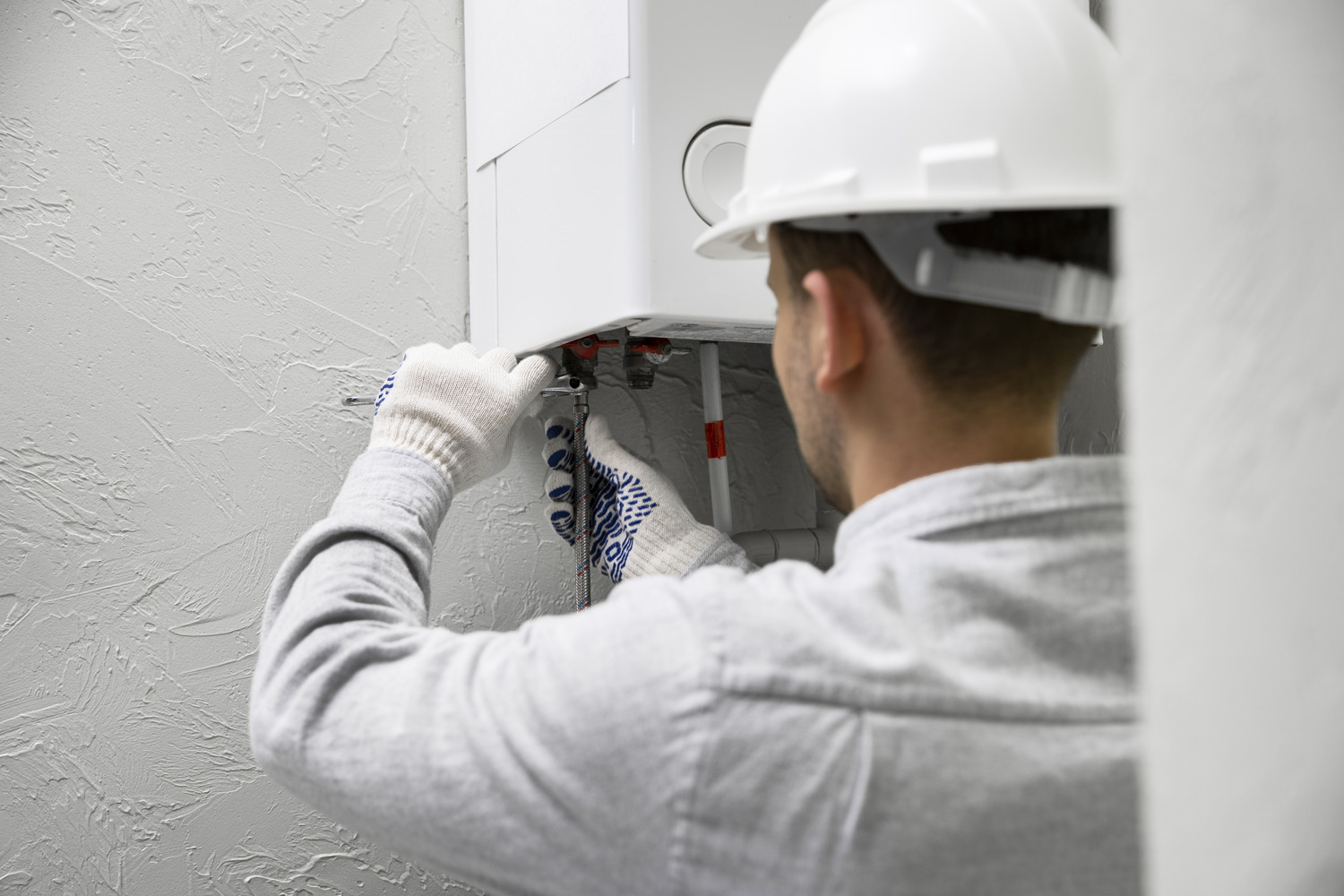
water-heater-replacement

Exploring Water Heater Options

Gas vs. Electric Water Heaters: A Detailed Comparison

Choosing a water heater means picking between gas and electric models. Each type has its own perks and downsides.

Gas Water Heaters:

  • Fuel Types: These heaters use natural gas or propane.
  • Pros: They heat water quickly, which is great for big families. They are often cheaper to run over time due to lower fuel costs.
  • Cons: They can be pricey to install if your home doesn’t have gas lines. Plus, they need proper ventilation to keep you safe from carbon monoxide.

Electric Water Heaters:

  • Fuel Type: These work on electricity.
  • Pros: They usually cost less upfront and are easier to install since they don’t need venting. They come in smaller sizes that fit better in tight spaces.
  • Cons: Operating costs can be higher, depending on local electricity rates, and they take longer to heat water compared to gas options.

So, the choice between gas vs. electric water heaters depends on your hot water needs and what setup you already have.

Natural Gas Water Heaters vs. Propane Water Heaters

Natural gas and propane are both good for heating water, but they work in different ways.

Natural Gas Water Heaters:

These connect directly to local natural gas lines, so you have a steady supply without needing tanks. They are very efficient, leading to lower monthly bills when compared with electric heaters.

Propane Water Heaters:

Propane needs storage tanks that can be above or below ground since it’s delivered by trucks. While these heaters work well like natural gas ones, propane prices can change a lot, which might make costs vary throughout the year.

Both types are energy-efficient choices, but think about the availability and stability of prices when deciding between natural gas versus propane systems.

Tankless Water Heaters: Advantages and Considerations

Tankless water heaters offer a smart way to have hot water without the bulk of traditional tanks.

One big benefit is that tankless systems heat water only when you need it. This means you save energy by not keeping a big tank of hot water all day. You won’t run out of hot water during busy times like showers or laundry.

However, consider these points before switching:

  • Installation Costs: The upfront cost is usually higher than traditional systems because extra plumbing might be needed.
  • Flow Rate Limitations: If several people want hot water at once (like in multiple showers), the flow rate might be an issue unless you size the unit right for your household needs.

Tankless Water Heater Cost Breakdown

Item Estimated Cost Range
Unit Purchase $800 – $3,000
Installation $500 – $1,500
Total Replacement Cost $1,300 – $4,500

Though the initial cost seems high—homeowners often save money later through lower utility bills and possible tax incentives for eco-friendly upgrades.

Heat Pump Water Heaters: Energy Efficiency and Cost

Heat pump technology is one of the most efficient ways to heat water today by using air around them instead of just relying on fossil fuels or electrical heating elements found in conventional designs.

Heat pumps transfer warmth rather than create it. This method uses about one-third less electricity compared to regular electric heaters while still delivering great results! Many models have efficiency ratings over 300%, which means significant yearly savings on energy bills!

Heat Pump Water Heater Cost Breakdown

Item Estimated Cost Range
Unit Purchase $1,200 – $3,000
Installation $600 – $2,000
Total Replacement Cost $1,800 – $5,000

Despite some sticker shock at first—ongoing energy savings with minimal maintenance make these smart investments worth considering for long-term home comfort plans.


Water Heater Installation and Costs

Water heater installation is an important service for homeowners. It helps keep your home comfortable and provides hot water when you need it. Knowing the cost to replace a water heater is essential for budgeting. You should also be aware of when to call a licensed plumber in San Diego for help.

Water Heater Installation: A Step-by-Step Guide

Installing a water heater can seem tricky, but it’s straightforward if you follow these steps:

  1. Choose the Right Type: Decide whether you want a gas or electric water heater, or if a tankless system suits your needs better.
  2. Get Ready: Turn off utilities like gas or electricity. Drain the old unit and disconnect the plumbing.
  3. Install the Unit:
    • For traditional models, place them in the right spot securely.
    • For tankless systems, make sure there’s proper venting and access to power.
  4. Connect Plumbing: Attach the inlet and outlet pipes as per the manufacturer’s instructions.
  5. Test Everything: Fill the tank if it’s a traditional model, check for leaks, then turn on your utilities.

It’s best to hire a professional for water heater installation. They know local codes and safety rules, ensuring everything works correctly.

Water Heater Replacement Cost: Factors Influencing Price

The cost to replace a water heater can vary widely based on several factors:

  • Type of Unit: Traditional tanks are usually cheaper than energy-efficient models like tankless systems.
  • Labor Costs: Hiring skilled plumbers may cost more but ensures quality work; rates can change by region.
  • Permits Needed: Some local laws require permits for installations, adding to your total expenses.

Understanding these factors can help you find affordable options while ensuring quality.

Traditional Water Heaters Cost Analysis

Traditional water heaters come in various sizes and types:

  • The 40-gallon model is popular and generally costs between $300-$800, depending on brand features like energy efficiency or warranty terms.

Make sure to compare different brands and their benefits before making a decision.

Tank Size and its Impact on Cost

Tank size matters because it affects both price and running costs. Larger tanks can hold more hot water but use more energy:

  • Smaller households might do well with 30-gallon tanks while larger families could need 80 gallons or even bigger units that may have higher initial costs but save time during peak usage hours.

Fuel Type and its Impact on Cost

The fuel type affects both initial costs and ongoing expenses:

  • Gas heaters usually have lower monthly bills compared to electric ones because natural gas is often cheaper than electricity.

When deciding, think about possible installation challenges with venting for gas units compared to simpler setups for electric ones. Checking energy-efficient choices can save money over time despite higher upfront costs.

Permit for Water Heater Replacement

In California (CA), getting permits before installing is necessary. This helps follow local building codes that keep everyone safe during work done by professionals who know the rules well, like those at Black Mountain Plumbing!

Always check local requirements first. Not having necessary permits could lead to fines later, eating into any savings from lower-cost options.

Plumbing Costs and Hourly Labor for Plumber

In San Diego, plumbing technician rates range from $75-$150/hour based on experience and job complexity. Simple repairs might take less time while full replacements need more effort, affecting total costs seen across different jobs!

Knowing average labor rates helps homeowners estimate project budgets ahead of time. This way, there won’t be surprises once work begins, allowing smoother processes toward achieving desired results!


Choosing the Right Water Heater for Your Home

Choosing the right water heater is really important. It helps you save money and stay comfortable at home. There are many options out there. Here are some key things to think about:

  1. Types of Water Heaters: The main types are tankless, traditional (tank), and heat pump systems. Each type has its own good points, depending on your space and how much hot water you need.
  2. Energy Efficiency: Energy-efficient water heaters can help lower your bills over time. Check for models with high Energy Factor (EF) ratings or those that have ENERGY STAR certification.
  3. Capacity Requirements: Think about how much hot water your family uses. This will help you figure out what size you need.
  4. Installation Considerations: Getting a professional to install your heater is smart. It keeps things safe and makes sure everything meets local codes.

Choosing the Best Water Heaters for Your Needs

When looking for the best water heaters, focus on finding one that is reliable and affordable:

  • High-Capacity Options: If you have a big family or run a business, consider a high-capacity model.
  • Eco-Friendly Choices: Look for solar-powered or heat pump systems. They are better for the environment and can save you money too.

Choosing a trustworthy brand matters. People often feel better buying from companies known for their strong products.

Energy-Efficient Water Heaters: Types and Benefits

Energy-efficient water heaters come in different types, and each offers unique benefits:

  • Heat Pump Technology: These use electricity to move heat instead of making it from scratch, so they’re more efficient than regular electric models.
  • Solar-Powered Heating Systems: These harness energy from the sun to heat water, but you’ll need good roof space and may face higher upfront costs.
  • Tankless Systems Installation: Tankless models provide hot water only when needed, which reduces energy waste from keeping water hot all the time.

These systems often cost less to operate over their lifetime compared to traditional heaters.

Comparing Different Types of Water Heaters

It’s key to know the differences between gas and electric options before making a choice:

  1. Gas Water Heaters
    • Pros:
      • Cheaper to run
      • Heats water faster
    • Cons:
      • Needs venting
      • Usually costs more upfront
  2. Electric Water Heaters
    • Pros:
      • Easy installation since they don’t need venting
      • Lower initial cost
    • Cons:
      • More expensive to run long-term
      • Slower at heating compared to gas

Each option has its own advantages based on your situation, like what fuel is available or how much maintenance you want to handle.

Popular Brands and Their Offerings

Some brands stand out in the market:

  • Rheem Water Heaters: They offer both traditional tanks and tankless models focused on being energy efficient.
  • Bradford White: Known for their durable products that professionals trust in homes everywhere.

Looking at different brands can help you choose one that fits your budget while also being dependable over time.

By checking these factors before picking a new unit—whether for home or business—you’ll be better set to find the right option that meets your needs while maximizing value over time.


Professional Water Heater Services

Why Hire a Licensed Plumber in San Diego?

Hiring a licensed plumber in San Diego is smart. They have the right training and know local plumbing rules. They offer quality plumbing services for water heaters. This means your installation or repair will be safe and efficient. Whether you need professional water heater installation or emergency plumbing services, a licensed plumber will help you out.

Black Mountain Plumbing: Your Trusted San Diego Plumber

At Black Mountain Plumbing, we are your local water heater installers. We provide reliable water heaters and professional water heater services. Our team knows many different systems, like traditional tanks and tankless models. We focus on making our customers happy with our top-notch service at fair prices.

Emergency Water Heater Service: 24/7 Availability

Water heater problems can happen anytime, day or night. That’s why we offer emergency water heater service 24/7. Our fast response team is ready to help you when urgent issues arise, like leaks or complete breakdowns. We fix these problems quickly and efficiently.

Water Heater Maintenance: Tips for Long-Term Performance

Taking care of your water heater is important to keep it working well. Here are some easy maintenance tips:

  • Flush the Tank: Flushing gets rid of sediment that can build up and harm performance.
  • Check Temperature Settings: Make sure the temperature is around 120°F for comfort and energy savings.
  • Inspect Pressure Relief Valves: Checking these valves regularly keeps your system safe from too much pressure.

Also, look for signs of a failing water heater, like not getting hot water or unusual noises. Spotting these issues early can help you fix hot water problems before they get worse.

Common Issues Requiring Professional Attention

Sometimes, your water heater needs a pro’s touch. Here are some common issues:

  • Rusty or Discolored Hot Water: This might mean there’s corrosion in the tank.
  • Temperature Fluctuations: If the water isn’t heating properly, the heating elements or thermostat could be broken.
  • Pilot Light Problems: If you have a gas model, issues with the pilot light can stop it from working altogether.

Knowing when to call a plumber instead of trying to fix things yourself can save you time and money.

Benefits of Regular Maintenance

Keeping up with regular maintenance helps your appliance last longer and run better. Here are some benefits:

  • Your unit runs more efficiently, which saves you money on bills.
  • It lowers the chances of unexpected breakdowns that could cost you big bucks later.

Importance of Compliance with Local Codes

Following local plumbing codes during installation is key for safety. Hiring professionals means they know how to stay within these rules, which helps avoid fines or safety risks from incorrect installations that might need permits for replacement later on.


Water Heater Replacement in San Diego

Water heater replacement is key for homes and businesses in San Diego. Many face issues like low efficiency or leaks. When planning a water heater replacement, it’s crucial to find the right system for your needs.

Water Heater Replacement San Diego: A Comprehensive Guide

Replacing a broken water heater might feel overwhelming. But knowing your options can make it easier. The cost to replace a water heater can change based on a few things, like the type of unit and installation needs. Here are some important points:

  • Types of Water Heaters: You can choose from tankless models, traditional tanks (gas or electric), and hybrid systems.
  • Installation Costs: Hiring a licensed plumber in San Diego guarantees proper installation that follows local codes.
  • Hot Water System Replacement Steps:
    • Check current plumbing connections.
    • Select the right new model.
    • Arrange for professional installation.

Local water heater installers can help you find units that are energy-efficient and save you money over time.

Water Heater Application: Residential vs. Commercial Needs

It’s important to know if you need residential or commercial water heating solutions.

  • Residential Solutions: These often require smaller heaters with capacities between 30 to 50 gallons, depending on how many people live there.
  • Commercial Solutions: Businesses usually need high-capacity water heaters to quickly supply large amounts of hot water, like those used in restaurants or hotels.

Choosing the best water heaters for home use means looking at how much hot water you use each day against your budget and space.

Water Heater Lifespan, Warranty and Upgrades

Most conventional hot water heaters last about 8 to 12 years. But this can differ by brand and how you use them. Regular maintenance is key for extending their lifespan.

When upgrading your water heater:

  • Look into energy-efficient upgrades to cut down on utility bills while keeping reliable performance.
  • Review warranty details since these can vary among manufacturers.

Investing in newer technology boosts efficiency and meets sustainability goals many homeowners have today.


FAQs About Water Heater Replacement

What is the average cost of water heater replacement?

The average cost varies based on type and installation. Traditional water heaters may range from $300 to $1,500. Tankless models usually start at $800.

How long does a water heater last?

Most traditional water heaters last 8 to 12 years. Regular maintenance can extend their lifespan.

What are energy-efficient water heater options?

Options include tankless water heaters, heat pump technology, and solar-powered systems. These reduce energy bills significantly.

What are the benefits of tankless water heaters?

Tankless heaters provide hot water on demand. They save space and reduce energy waste.

Are there any federal tax incentives for upgrading my water heater?

Yes, homeowners may qualify for tax incentives when installing energy-efficient models. Check the IRS website for current programs.

How can I find the right size water heater for my home?

Consider your household hot water needs. The right size balances efficiency with demand, ensuring you don’t run out of hot water.

Key Points on Water Heater Replacement

  • Affordable Water Heater Replacement: Look for deals or local rebates.
  • Residential vs. Commercial Water Heater Needs: Understand your usage demands.
  • Energy Savings: Opt for high-efficiency models to lower bills.
  • Water Heater Rebates: Investigate state programs for savings.
  • Compact Water Heaters: Consider smaller units for limited spaces.
  • Smart Water Heaters: Explore modern features like app controls.
  • Eco-Friendly Options: Think about sustainable heating solutions to reduce your carbon footprint.
  • Repairing a Water Heater: Some issues can be fixed without replacement.
  • Water Heater Recycling: Always dispose of old units responsibly.
  • High-Capacity Water Heaters: Great for larger families or businesses needing continuous hot water.
  • Alternative Heating Solutions: Evaluate other systems alongside traditional models.
  • Corrosion-Proof Options: Choose materials that resist rust for longevity.
  • Solar-Powered Systems: Harness the sun’s energy to cut costs further.
  • Upgrading Your Water Heater: New technology improves efficiency and savings significantly.
  • Plumbing Codes Compliance: Ensure installation meets local regulations to avoid fines.

These points can help guide decisions on selecting and replacing your water heater effectively.

Archive
January 2026
M T W T F S S
 1234
567891011
12131415161718
19202122232425
262728293031  
Recent Posts