24 Hour Service - 7 Days a Week


“Why is my washing machine backing up into the sink? This usually happens due to a clogged drain line or a shared drain pipe causing plumbing backup, leading to washing machine water flowing back into your kitchen sink or laundry area.”
—
When your washing machine backs up into the sink, it can really mess things up. Water backs up and sometimes floods the laundry room. This plumbing issue is pretty common, but it’s annoying.
Normally, the washing machine drains water through its own pipe. But if there’s a clog or some problem in the plumbing, water can flow back instead. This causes a backup that makes a big mess. Plus, it can turn into bigger plumbing issues if you don’t fix it fast.
Seeing washing machine water in your kitchen sink is weird, right? You want to find out why quickly. Here are some usual reasons:
Check these first to stop more problems like kitchen sink overflow or plumbing backup from getting worse.
Hmm, if this happens often, getting help from pros like Black Mountain Plumbing in San Diego California can save you trouble later on.
Washing machines can back up or flood your laundry room. This often happens because water can’t drain right. When water doesn’t flow, it causes trouble. Knowing why this happens helps you fix it faster and avoid big costs.
A clogged drain line causes most washing machine drain problems. Lint, soap scum, grease, and dirt build up inside pipes over time. This stuff blocks water from going down.
When clogs get big, water backs up into your washer or spills into nearby sinks. A blocked washing machine pipe can stop all drainage if you don’t fix it.
Cleaning your washer’s drain line often can stop clogs. If you see slow draining or water pooling near your washer, a clog might be growing in the washing machine drain line.
Some homes share one drain pipe for kitchen sinks and laundry machines. This saves space but can cause problems. If one fixture clogs, it may back up into the other.
If food scraps or grease block the common drain line:
This happens when waste has no place to go because of a blockage in shared pipes.
To avoid trouble:
A check valve stops wastewater from flowing backward in pipes. It keeps dirty water away from clean spots like sinks and washers.
If the valve breaks:
Signs of a bad check valve include bad smells near drains or backups even when pipes seem clear elsewhere.
Fixing a broken check valve fast puts water flowing the right way again. This stops backflow problems that flood laundry rooms.
When your washing machine backs up into the sink, water flows backward and can cause an overflow. This sudden overflow happens because the drain line gets clogged or blocked. Wastewater looks for another way out—often it comes up through the sink. Water then backs up into the sink basin, making a mess that’s hard to clean. If you don’t fix it fast, water can hurt your cabinets and countertops.
Here are some signs you might see right away:
Catching these early can stop bigger troubles like floods or broken pipes.
Laundry room flooding happens when a washer drain stays blocked too long. Water damage from washer backups can wreck floors, walls, and anything stored nearby. Moisture builds up, which can make mold grow. Mold isn’t just ugly—it can make you sick and cost lots to fix.
Ways to prevent flooding:
Finding leaks before floods start saves money and keeps your home safe from damp problems.
A plumbing backup with your washer often shows bigger problems inside your home’s pipes—especially in old houses with worn-out plumbing. When many fixtures like sinks and washers share the same drain pipe, blockages can force water backward into places it shouldn’t go.
Common plumbing backup signs include:
If you ignore these signs, you might need plumbing repairs like pipe cleaning or even replacing old pipes. Getting help from plumbers stops backups and keeps everything flowing right.
If you see any of these issues at home, call a plumber soon. They can fix things safely and protect your stuff and family health.
If your washing machine is backing up and you see water in the sink, it means there’s a plumbing backup. This can cause floods and mess if you don’t fix it fast. Here’s how to fix washer backup with some easy steps you can try yourself:
Most of the time, these simple checks fix problems when washing machine water goes into the sink or pipes get partly blocked.
A blocked washing machine pipe or clogged drain line often causes backups and overflows in laundry rooms that share drains with sinks.
Here’s how to check and clear your washing machine drain hose:
Cleaning this hose often stops future clogging caused by lint or soap getting stuck inside.
Many washers have a check valve in their drainage system. This valve stops wastewater from flowing backward into your washer or sink.
If backups keep happening even after cleaning hoses and drains, you might have a malfunctioning check valve.
To check it out:
Keeping this part working well helps stop bad backups and flooding in laundry rooms that share pipes with sinks.
Washing machines sometimes back up and drain into the sink. This happens when water flows the wrong way. Usually, a check valve stops this, but if it’s broken or missing, water can flow back. That causes plumbing backup washer problems and sink overflow washing machine issues.
To stop backflow:
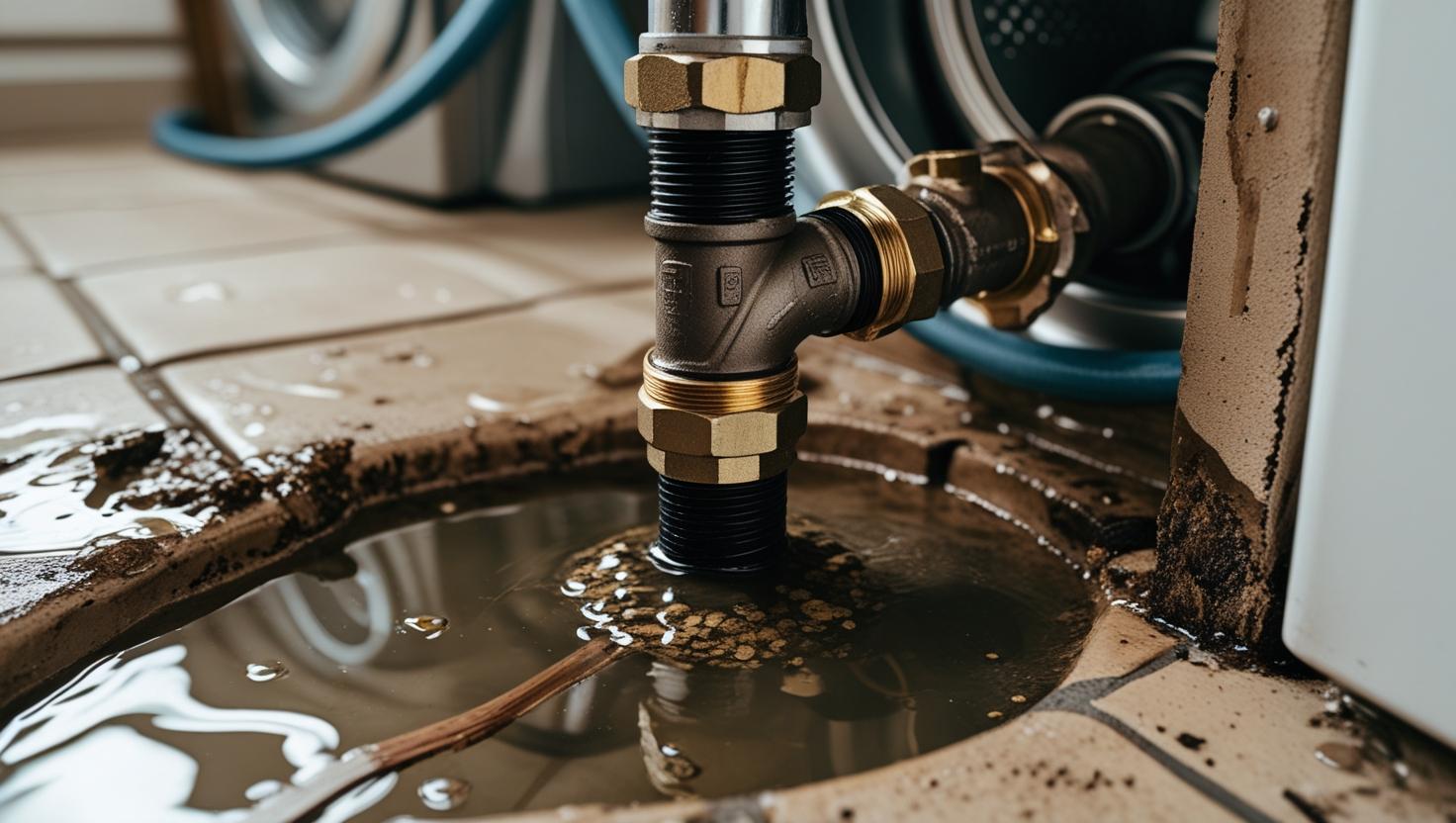
These steps help stop water backflow and keep your laundry area dry. It prevents flooding from plumbing backup.
Clogs make washing machines drain into sinks a lot. Lint builds up and soap scum sticks inside pipes. Over time, that blocks drains and causes backups. You can stop this with regular care.
Try these easy tips:
Doing this keeps your drains open and stops clogs before they start. It helps you avoid floods in the laundry room.
Having the right drain pipe stops washing water from overflowing into sinks or on the floor. Many houses share one drain pipe for washers and sinks. Small pipes cannot handle all the water, so backups happen.
Here’s what you should do:
A big enough dedicated line lets water flow fast with no overflow risks from shared or small pipes.
Follow these simple steps—fix backflow, keep drains clean, and use right pipes—to stop your washing machine backing up into the sink for good. Your home will stay dry and calm.
If you live near San Diego California and face hard problems like clogged lines or bad valves, call Black Mountain Plumbing for help!
Is your washing machine backing up? Or maybe you see a plumbing backup in your laundry area? A blocked washing machine pipe might be the cause. Water can spill into your sink or flood the room. Sometimes, drain cleaning tools clear small clogs. But bigger problems need pros.
DIY fixes might work at first. But if it comes back fast or gets worse, call an expert. Home plumbing problems like these need skill and the right tools. If you try hard repairs without know-how, you might break stuff or make it worse.
Black Mountain Plumbing offers trusted residential plumbing repair services in San Diego. Their team finds hidden causes and clears blockages safely. This stops future backups and damage.
When washing machine drains act up, find plumbers you can trust. Black Mountain Plumbing helps with all kinds of San Diego plumbing services, like:
Their techs use smart tools to spot clogs before floods happen. They fix residential plumbing repair problems fast and smart.
Hiring pros means your home gets care that lasts. They keep your pipes clean and working well over time.
A blocked washing machine pipe is no place for quick DIY fixes. Pros use special methods like hydro jet cleaning. This sprays high-pressure water to clear tough buildups inside pipes.
Here’s how tools stack up:
Hydro jetting cleans better than snaking alone. Snakes only fix surface clogs and might leave some dirt behind.
Plumbers also check other connected drains and pipes. That stops hidden blockages from causing backups between sinks and washers.
If your washer drains slow or water backs into the sink, don’t wait. Calling experts for drain cleaning saves time and money later.
Need help fixing a blocked washing machine pipe? Call Black Mountain Plumbing today for a quick check and repair made for San Diego homes!
FAQs About Washing Machine Backing Up Into the Sink
Why does a washing machine drain hose cause water to back up?
A clogged or kinked washing machine drain hose blocks water flow. This causes water to back up into the sink or washer area.
Can dishwasher drain connection affect washing machine drainage?
Yes, if the dishwasher and washing machine share a drain line, clogs can cause water to back up into both appliances.
How does a malfunctioning check valve cause washing machine backup?
A faulty check valve allows wastewater to flow backward. This leads to water backing up into your washing machine or sink.
What role does vent pipe blockage play in drain backups?
Blocked vent pipes restrict air flow. This slows drainage and causes intermittent backup in sinks or washers.
Why is proper drain pipe sizing important for washer drainage?
Undersized drain pipes cannot handle high water volume from washers. This leads to overflow and slow draining.
How can plumbing system diagnostics help fix washer drain issues?
Diagnostics detect hidden blockages, misaligned pipes, or venting issues. They guide proper repairs to restore drainage.
What is a washer standpipe and why is it needed?
A standpipe is a vertical pipe where the washer drains. It prevents wastewater from flowing back and supports proper drainage.
Following these simple steps helps avoid frustrating scenarios like sudden overflow and persistent plumbing issues that threaten home safety and health.
If problems persist, Black Mountain Plumbing offers expert residential plumbing repair in San Diego, including thorough sewer line inspection and sewer line backup prevention services tailored to local needs.