24 Hour Service - 7 Days a Week

How to tell if low water pressure is due to corroded pipes or hidden leaks starts with spotting warning signs like pinhole leaks and broken water lines. Proper plumbing inspection and leak detection in Carmel Valley 92130 can identify pipe corrosion, hidden leak detection, and help find solutions such as replacing piping to restore water flow.
—
Low water pressure can be a pain at home. It makes simple jobs like showering or washing dishes slower. If you know the common causes of low water pressure, you can spot problems quicker.
Here are some reasons your home might have low water pressure:
Try these steps to see if your household water pressure is low:
Two big reasons for low water pressure are corroded pipes and hidden leaks:
You need to find out if corrosion or leaks cause the issue. Here’s what to do:
Look for these signs to tell them apart:
Knowing these things about low-water-pressure problems helps you deal with them better! If troubles keep happening, getting help from a plumber might be best.
Low water pressure at home can get really annoying. It might mean your pipes have problems. Two big causes are corroded pipes and hidden leaks. Knowing which one you face helps you fix it fast.
Identifying the Source of the Problem
Start by figuring out where the low water flow plumbing issue comes from. Look for:
Good plumbing leak diagnosis helps solve water pressure problems at home fast.
Distinguishing Between Corroded Pipes and Hidden Leaks
Both corroded pipes and hidden leaks lower water pressure but act differently:
You need a careful check. Tools like moisture meters help find hidden leak detection. Seeing pipe corrosion means old pipes may block flow.
Finding pipe corrosion early saves money later. Watch for these signs:
If your tap water looks brown or rusty, it might mean copper pipe corrosion or mineral buildup. You may see:
Minerals pile up over time and narrow the pipes, cutting flow.
Noises like banging, rattling, or hissing show clogged pipes or partly closed valves. These sounds pop up when sediment blocks water in corroded spots.
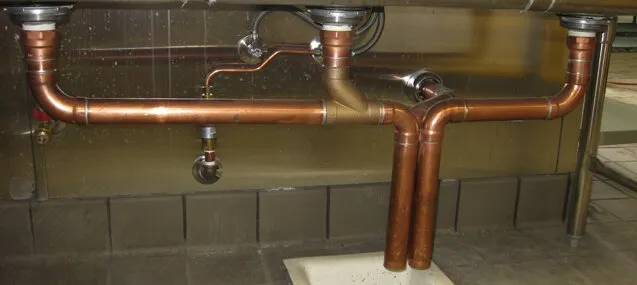
Check any visible pipes for signs like:
Seeing this early means you can fix it before big problems hit.
Understanding why corrosion lowers pressure helps you know what to do.
Mineral deposits gather inside old metal pipes after many years. This stuff clogs pipelines and cuts down how much water flows per minute. That’s why many homeowners complain about low pressure.
Different pipe materials age in different ways:
| Pipe Type | Lifespan (Years) | Common Issues |
|---|---|---|
| Galvanized Steel | 40–50 | |
| Copper | 70+ | Can get tiny pinhole leaks |
| PVC | 50+ | Joints can fail sometimes |
Old galvanized steel tends to rust more than copper. Still, copper also gets mineral buildup that slows flow after some time.
If you spot any of these signs — discolored water, weird noises, damp areas — call a plumber in Carmel Valley 92130 soon. Finding trouble early saves money by stopping big damage from corroded pipes or hidden leaks that mess with your home’s water every day.
Hidden leaks cause serious plumbing problems. They hide underground, inside walls, or under floors. Early detection stops water damage and big repair bills. You might hear a persistent leak or notice a subtle water drip you didn’t catch at first.
Plumbing leak diagnosis means checking your home closely for hidden leaks. Residential leak detection uses tools to find leaks you can’t see. Underground water leaks need special moisture detection gear because they don’t show up above ground.
If you think there’s a hidden leak, look for damp spots or wet areas around your house. Small drips can waste gallons of water every day and hike up your water bill.
To find hidden leaks, try these methods:
These steps help with plumbing diagnostics without breaking your walls or floors.
Try this simple test for hidden leaks:
Keep an eye on your water meter readings to catch persistent leaks early before they grow worse.
Plumbers use special listening devices:
This method makes plumbing diagnostics easier and less messy.
Look for signs of moisture that means hidden leaks:
If you see these signs, call someone to check it out before the damage gets bigger.
A high water bill is often the first clue of a hidden leak. If your usage stays the same but the bill jumps, something’s leaking somewhere.
Watch out for puddles forming where you don’t expect them, like indoors or near foundations outside. Squishy spots in your yard also mean underground pipe breaks that soak the soil under your grass.
Spotting these signs early lets you get residential leak detection done fast by local experts in Carmel Valley 92130 before big trouble starts.
If low water pressure is bugging you because of corroded pipes or hidden leaks, call Black Mountain Plumbing in San Diego California areas including Carmel Valley 92130 today!
Plumbing Leak Diagnosis: Step-by-Step Guide
Finding a plumbing leak means checking your home’s water system closely. Start by looking for damp spots or wet walls. A musty smell can also mean hidden leaks near pipes or fixtures. Check wallpaper too—if it’s bulging, moisture might be trapped behind it.
Next, inspect pipes and fixtures all over the house. Look for weak spots or damage. Listen for sounds like dripping when no water runs. If you don’t see the leak, use special leak detection tools.
These tools find water hidden inside walls or floors without tearing things up. Some use sensors to detect moisture. Others use infrared cameras or devices that hear leaking water.
After finding the leak, pick a repair method based on how bad it is. Small cracks might get sealed. Bigger leaks may need pipe replacement or help from plumbing experts.
Visual Inspection of Pipes and Fixtures
Look at all exposed pipes for dampness or rust. Pay close attention to joints—they often start leaking first.
A musty smell under sinks usually means slow leaks there.
Check walls near pipes for wet spots or color changes caused by leaks inside.
Bulging wallpaper shows trapped moisture pushing on walls.
Look at pipe condition carefully; old, rusty pipes can crack and cause low water pressure problems at home.
Systematic Checking of Plumbing System
To inspect your home water system:
This helps figure out if low pressure affects one spot or the whole house plumbing system.
Using Specialized Leak Detection Tools (If Needed)
If visual checks don’t work, professionals try these tools:
These tools help find tricky leaks that are hard to see.
Water Pressure Problems Home: Common Scenarios
Water pressure can drop for different reasons:
Knowing these helps fix problems before they get worse and need costly repairs in San Diego homes.
Low Pressure in One Fixture vs Whole House
Low pressure in one faucet usually means an easy fix like:
These don’t affect the whole house but just that fixture’s flow.
Fluctuating Water Pressure Causes
Water pressure changes because of:
Spotting these early stops bigger problems from unstable household water pressures seen during plumbing inspections in Carmel Valley 92130 homes.
Sudden Loss of Water Pressure Reasons
Sudden drops mean urgent issues like:
Quick leak location techniques help fix this fast so you lose less water and hassle.
Low Water Flow Plumbing: Troubleshooting Tips
Try these steps when your faucets or showerheads drip slow:
Doing this often stops small problems from turning into big repairs later on.
A plumbing inspection helps keep your home’s water system working right. In Carmel Valley 92130, plumbers check your whole home plumbing system. They look at pipes, fixtures, and valves to find any problems early.
During a residential pipe inspection, they watch for damage or wear. These issues can cause leaks or low water pressure. The plumbing system evaluation also includes water pressure testing. This test shows how strong the water flow is in your house. It helps find weak spots in the pipes.
Regular plumbing inspections stop big repairs later on. They catch problems like corroded pipes before things get worse. If your drains are slow or water flow is uneven, a plumbing inspection might save you money and time.
Here’s what a plumbing inspection usually covers:
Don’t wait if you spot signs of trouble. A good inspection keeps your water flowing smoothly.
Hidden leaks can cause big trouble fast. Leak detection in Carmel Valley 92130 uses special tools to find leaks that aren’t easy to see.
Detecting water leaks starts with looking around, but often needs leak location techniques. Professionals use moisture detection tools and thermal cameras to spot damp places behind walls or under floors where leaks hide.
Residential leak detection focuses on spots like pipe joints, toilets, and faucets. Finding leaks early stops small drips from causing floods or mold growth.
If you think there’s a leak but don’t see puddles or stains, call in experts for leak detection services. This protects your home and gives you peace of mind.
Common methods used in leak detection include:
Don’t ignore small signs of leaks—they can lead to big problems later.
Low water pressure happens when pipes get corroded or have hidden leaks over time. Black Mountain Plumbing fixes pipe corrosion in San Diego to bring back good water flow.
Our licensed plumbers offer professional plumbing service for all kinds of repairs—whether emergency plumbing repairs or regular fixes. We fix corroded pipes before they cause bigger troubles like burst pipes or clogged drains.
Plumbing repair experts at Black Mountain Plumbing diagnose problems fast and give lasting solutions for low water pressure in your home.
Here’s why you might need our help:
For help with low water pressure in Carmel Valley 92130, reach out to Black Mountain Plumbing. We provide quick advice and prompt service when you need it most.
Low water pressure causes often come from pipe corrosion. To stop this, you need regular plumbing maintenance. One good way is to flush your pipes often. Flushing clears out mineral deposits and sediment that make corrosion worse.
You can also try other corrosion prevention methods. A plumbing inspection process helps find early signs of rust, leaks, or weak spots in pipes. Catching these problems early keeps things from getting worse.
Routine maintenance helps stop hidden leaks. It also keeps water flowing well in your home. Simple actions like not pouring harsh chemicals down drains help too. Using water softeners when needed protects pipes from corroding faster.
Water quality affects pipe health a lot. Hard water has minerals like calcium and magnesium that build up inside pipes. This buildup narrows the pipes and lowers water flow.
Some corrosive elements in water, like acid or chlorine, eat away at metal pipes faster than usual. Dirt and rust particles cause sediment buildup that clogs pipes and damages them inside.
Water quality testing tells you if your water has these problems. When you know the issues, you can use treatments or filters made for your local water type.
Here’s what happens with poor water quality:
If corrosion gets bad, you might need pipe replacement. This fixes the problem before it gets more costly.
Pipe replacement cost depends on stuff like the material you choose, labor fees, and how big your home is.
There are different pipe material types:
Planning for pipe replacement means checking current damage first. Then pick the best material based on local water quality info.
Taking care of this on time saves money later. It also prevents low pressure caused by corroded pipes or hidden leaks in Carmel Valley 92130 homes.
Steps for replacing pipes:
Frequently Asked Questions
What are common plumbing mistakes that cause low water pressure?
Partially closed valves, clogged pipes, and dirty faucet aerators often cause water flow issues. Checking these first can save time and cost.
How does pressure regulator valve failure affect water pressure?
A faulty pressure-regulating valve causes uneven water flow and sudden pressure changes. It needs inspection or replacement for stable pressure.
What is the typical pipe lifespan for galvanized pipes?
Galvanized pipes usually last 40–50 years before corrosion causes leaks or blockages requiring repair or replacement.
How can I detect slab leaks in my home?
Look for wet spots on floors, musty smells, or increased water bills without visible leaks. Moisture detection tools help confirm slab leaks.
What are trenchless leak repair methods?
Trenchless repair uses specialized tools to fix underground leaks without digging large trenches. It saves time and reduces yard damage.
Why does a high water bill indicate hidden leaks?
A sudden increase in your bill with regular use means water escapes unseen through leaks underground or behind walls.
How do copper pipe corrosion and copper pipe leaks differ?
Corrosion slowly narrows pipes causing flow reduction; leaks are pinhole breaks that waste water quickly and cause damage.
What plumbing tools help find water leaks inside walls?
Moisture meters, acoustic detectors, and infrared cameras assist plumbers in locating hidden leaks without breaking walls.
Can DIY plumbing tools fix slow water flow issues effectively?
Simple blockages like clogged faucet aerators can be cleaned with DIY tools; however, pipe corrosion needs professional repair.
What repair options exist for pipe corrosion and deterioration?
Options range from pipe flushing to clear buildup to full pipe replacement depending on damage severity and material type.
Essential Tips for Water Leak Signs and Plumbing Diagnostics
Quick Solutions to Common Residential Plumbing Problems
Why Choose Black Mountain Plumbing in Carmel Valley 92130?
Black Mountain Plumbing offers expert plumbing service using advanced leak detection technology. We provide reliable leak repair methods including trenchless leak repair and pipe corrosion treatment. Our licensed plumber team delivers honest repair estimates tailored to your needs while ensuring plumbing system inspection meets code standards. Count on us for emergency plumbing repairs and long-term solutions that boost your home’s water system efficiency.